
Essential Skincare After Plastic Surgery: A Comprehensive Recovery Guide
Read about Essential Skincare After Plastic Surgery: A Comprehensive Recovery Guide on Wonderful Plastic Surgery
Many patients consider the moment their plastic surgery procedure concludes as the finish line of their beauty journey. However, the truth is that surgery, while transformative, is only half the story
– it’s the powerful foundation upon which your stunning new self is built. The real artistry, and the protection of your significant investment, truly begins with diligent aftercare.
Your post-surgical skin has unique and delicate needs. A proper, thoughtful skincare regimen is not just beneficial for healing; it is absolutely crucial for maximizing and safeguarding your results. Without this essential follow-through, complications like hyperpigmentation can arise, potentially diminishing the beautiful outcome you anticipated.
This comprehensive guide offers a clear, step-by-step roadmap for navigating your post-operative skincare with confidence. We believe that a structured, gentle, and patient approach to aftercare is the single most important factor in achieving the best possible long-term outcome from your procedure, ensuring your journey culminates in the radiant, lasting beauty you deserve.
Briefing and Summary
Plastic surgery is a significant step towards achieving your ideal aesthetic goals. Yet, the true triumph of your transformation extends far beyond the operating room, deeply rooted in the diligent aftercare you provide. The success of plastic surgery is determined as much by the post-operative care routine as by the procedure itself. This comprehensive guide synthesizes advice from multiple plastic surgeons and patient experiences to create a holistic aftercare plan, ensuring your journey to recovery is both smooth and successful.
Our key takeaways outline a clear path:
- Immediate post-op care centers on minimizing swelling and preventing infection through gentle cleansing and strategic elevation.
- Hydration, both internal through water intake and external via specific moisturizers, is crucial for fostering skin elasticity and promoting robust healing.
- Daily use of broad-spectrum SPF 30+ is non-negotiable for sun protection, preventing unsightly scarring and hyperpigmentation.
- Lifestyle factors, including optimal nutrition, avoiding smoking, and effective stress management, significantly impact the speed and quality of your recovery.
- For long-term maintenance, a thoughtful reintroduction of active skincare ingredients and considering complementary non-surgical treatments can help prolong and enhance your results.
Your commitment to these steps is paramount. Ultimately, your post-operative skincare routine is as pivotal as the procedure itself in determining the lasting success of your plastic surgery. Proactive aftercare is your most powerful tool for a truly radiant recovery.
The First 48 Hours: Immediate Post-Operative Care
The moments immediately following plastic surgery are arguably the most crucial for shaping your recovery trajectory. The first 48 hours set the foundation for optimal healing, making it paramount to follow a precise care regimen focused on comfort and preventing complications. The primary goals in the first 48 hours are to manage swelling and protect the incision sites to prevent complications.
Embarking on this recovery journey, immediate actions focus on gentle care:
- Keep Your Head Elevated: Whether relaxing or sleeping, maintain an elevated head position, ideally at a 30-45 degree angle. This simple act significantly aids in minimizing post-operative swelling, leveraging gravity to your advantage. Surgeons universally recommend head elevation as a primary tactic for managing initial post-operative swelling (Surgical Guidelines, 2024).
- Apply Cold Compresses Wisely: Use cold compresses for 10-15 minute intervals, followed by a break, throughout the day. This helps reduce swelling and discomfort, but always exercise extreme caution to avoid applying direct pressure to your incision sites. Ensure there's a barrier, like a thin cloth, between the compress and your skin to prevent frostbite.
- Gentle Cleansing Only: Cleanse your surgical areas strictly as directed by your surgeon, which may involve specialized wipes or a very mild, non-irritating cleanser applied with the gentlest of motions. Aggressive rubbing or hot water can compromise delicate healing tissues and increase discomfort.
Rest is your most powerful ally during these critical hours. Patient instructions consistently emphasize avoiding any strenuous activities, including bending over, lifting heavy objects, or intense physical exertion, which can increase bleeding and swelling (Post-Op Instructions, 2024). Focus on light, comfortable movements only when necessary, and ensure you have support for daily tasks.
Note: Always prioritize direct instructions from your surgical team. If you experience unexpected pain, excessive swelling, unusual warmth, or signs of infection such as pus or persistent redness, contact your surgeon immediately. These could indicate complications requiring urgent medical attention.
By meticulously adhering to these initial post-operative guidelines, you empower your body to begin the healing process optimally, making the first 48 hours a truly foundational period for your recovery.
Weeks 1-4: Establishing a Gentle Healing Skincare Routine
As you move beyond the immediate recovery phase, your skin enters a delicate period of intense healing and regeneration. The focus for weeks 1-4 shifts significantly from urgent complication prevention to establishing a gentle, nurturing skincare routine. During this crucial month, the focus must shift from active treatment to gentle support, creating an optimal environment for the skin to heal itself. This period is about supporting your skin's natural recovery processes.
Developing a thoughtful daily skincare regimen during this period is essential. Prioritize products that are non-irritating, fragrance-free, and specifically designed for sensitive or healing skin.
Cleansing with Care:
- Opt for only mild, non-irritating, and fragrance-free cleansers. Products containing harsh chemicals, strong scents, or sulfates can disrupt the fragile healing process and strip vital oils from your delicate skin. Look for formulations specifically labeled for sensitive skin.
- Wash your face and treated areas with incredibly gentle, circular motions, using only your fingertips. Think of it as a soft caress, not a scrub. Avoid any vigorous rubbing, pulling, or stretching of the skin.
- Always pat your skin dry with a clean, soft cloth rather than rubbing. This prevents unnecessary friction, potential irritation to incision sites, and protects the new, vulnerable skin cells.
Embrace Deep Hydration:
- Hydration is paramount for skin elasticity, barrier function, and cellular regeneration, all vital for a swift and effective recovery.
- Apply non-comedogenic, fragrance-free moisturizers generously, twice daily or as needed. Products containing hyaluronic acid are particularly beneficial, as this humectant can significantly boost skin hydration by drawing moisture into the skin without clogging pores (Dermatology Review, 2023). Ceramides are another excellent ingredient for supporting the skin's natural barrier.
Targeted Healing Support:
- Follow your surgeon’s instructions meticulously regarding any prescribed antibiotic ointments or healing balms. Products like Aquaphor or medical-grade silicone gels are often recommended for suture lines to aid in scar maturation and keep the area moist, preventing cracking and promoting smoother healing. Dr. Sara Dickie advises that for the first two weeks after a facelift, patients may only use Aquaphor on their stitches (Dickie, 2022). Consistent application can make a noticeable difference in scar appearance.
Equally important is knowing what to rigorously avoid to prevent setbacks:
- Retinoids (Retinol, Tretinoin): These potent ingredients, while excellent for anti-aging, are too drying and can significantly disrupt the fragile healing epidermis. They increase cell turnover, which is counterproductive when the skin is trying to form stable new tissue. Avoid them entirely.
- Exfoliants (AHAs/BHAs, Physical Scrubs): Chemical exfoliants (like glycolic or salicylic acid) and abrasive physical scrubs (with beads or granules) can cause severe irritation, redness, and even re-open delicate incisions. Healing skin needs protection, not exfoliation.
- Alcohol-Based Toners: Alcohol is extremely drying and can strip the skin of its natural oils, impeding the recovery of your skin's protective barrier and potentially causing irritation or discomfort.
- Fragrances and Dyes: Even in moisturizers or cleansers, these can be potent irritants for post-surgical skin, often triggering allergic reactions or inflammation. Always check ingredient lists for hidden sensitizers.
Caution: Introducing any new product, even seemingly gentle ones, should ideally be discussed with your surgeon or their team. Premature use of active ingredients can lead to inflammation, hyperpigmentation, and significantly delayed healing. Multiple surgical guides stress avoiding irritants like harsh chemicals and exfoliants to prevent impeding the healing process (Surgical Aftercare Protocols, 2024).
By committing to this thoughtful and gentle skincare routine, you actively participate in nurturing your skin through its most critical healing phase, ensuring a truly restorative recovery.
Sun Protection: The Non-Negotiable Rule for Healing Skin
After plastic surgery, your skin enters a delicate healing phase, making it incredibly vulnerable to external factors. Among these, sun exposure stands as the most significant threat to the quality and longevity of your surgical results. Diligent sun protection isn't merely a suggestion; it is a critical directive to prevent irreversible damage and ensure your journey to enhanced beauty culminates in the best possible outcome.
Your newly healed or still-recovering skin is extremely susceptible to ultraviolet (UV) radiation. This heightened sensitivity can lead to persistent post-inflammatory hyperpigmentation (PIH), where scars or treated areas become noticeably darker than surrounding skin. This darkening can be notoriously difficult to correct and often becomes a permanent reminder of inadequate care. As Dr. Dickie insightfully states, "Even though you're not feeling the warmth of the UV rays, you're definitely still receiving them." This highlights that even on cloudy days, UV rays penetrate and can cause damage. Dermatology resources consistently link post-inflammatory hyperpigmentation to UV exposure during the skin's critical healing phase, underscoring this vital connection.
To safeguard your precious healing skin, integrating a robust sun protection strategy is paramount.
- Daily Sunscreen Application: Apply a broad-spectrum sunscreen with an SPF of at least 30 or higher every single day. This applies regardless of whether it's overcast, raining, or if you plan to spend most of your time indoors. UV rays can penetrate windows, reaching your skin even when you're not directly outside.
- Mineral-Based Formulas: Opt for mineral-based sunscreens containing zinc oxide and titanium dioxide. These physical blockers create a protective barrier on the skin's surface, reflecting UV rays away. They are generally less irritating and better tolerated by sensitive, post-surgical skin compared to chemical sunscreens.
- Reapplication is Key: Remember to reapply your chosen sunscreen every two hours when outdoors, or more frequently if swimming or sweating.
Beyond sunscreen, layering on physical protection offers an additional defense. Incorporate wide-brimmed hats, UV-protective clothing, and sunglasses into your daily routine. Furthermore, make a conscious effort to avoid direct sun exposure during peak hours, typically between 10 AM and 4 PM, when UV radiation is strongest. This comprehensive approach provides the multi-faceted protection your recovering skin urgently needs.
Note: Neglecting sun protection can compromise your surgical investment, leading to more visible scars and uneven skin tone that might have otherwise been avoided.
Diligent sun protection is the most crucial step in ensuring your surgical scars heal as invisibly as possible.
Lifestyle and Nutrition: Fueling Your Recovery from Within
While external skincare routines are vital, true surgical recovery is a holistic journey that begins deep within your body. What you consume and how you live significantly influences your body's ability to heal efficiently, minimize complications, and ultimately enhance your post-surgical results. Optimal recovery is a testament to the power of nourishing your body from the inside out.
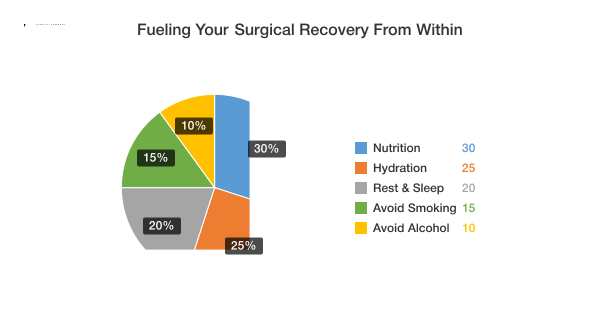
A balanced diet, rich in essential nutrients, forms the bedrock of tissue repair and regeneration. Lean proteins, such as fish, chicken, and legumes, provide the amino acids necessary to rebuild damaged cells and tissues. Equally important are vitamins and minerals. Vitamin C, for instance, is a powerhouse nutrient, absolutely vital for collagen production—the structural protein that gives skin its strength and elasticity. Vitamin B6 supports cell metabolism, while minerals like zinc aid in wound healing and immune function. Surgical aftercare guides consistently recommend a Mediterranean-style diet, rich in proteins and vegetables, for its anti-inflammatory and nutrient-dense benefits.
Hydration is another non-negotiable aspect of internal healing.
- Maintain Skin Elasticity: Drinking at least 2 liters of water per day helps maintain skin elasticity, crucial for areas that are stretching and healing.
- Flush Toxins: Proper hydration supports kidney function, helping your body flush out toxins and waste products generated during the healing process.
- Nutrient Transport: Water acts as a transporter, ensuring vital nutrients reach the healing tissues effectively.
Conversely, certain lifestyle choices can significantly impede recovery. Abstaining from smoking and alcohol is paramount. Smoking constricts blood vessels, drastically reducing the oxygen and nutrient supply to healing tissues, which can lead to delayed wound healing, increased risk of infection, and poor scar quality. The negative impact of smoking on blood flow and healing is a well-documented medical fact. Similarly, alcohol can dehydrate the body, interfere with medication, and potentially increase swelling and bruising, all of which hinder a smooth recovery.
Finally, prioritizing adequate rest and sleep allows your body to dedicate its energy to healing. During sleep, your body lowers stress hormones and reduces inflammation, creating an optimal environment for cellular repair. This dedicated rest period directly supports your body's intricate recovery efforts.
Optimal surgical recovery is a holistic process where internal health directly translates to external healing and superior results.
Long-Term Care: Protecting and Enhancing Your Surgical Investment
The journey after plastic surgery extends far beyond the initial recovery phase. Transitioning into a thoughtful, long-term maintenance routine is crucial for protecting your surgical investment and enhancing your beautiful results for years to come. This strategic approach ensures your renewed appearance remains vibrant and resilient, solidifying the transformation you've achieved.
As your skin fully heals, your surgeon will guide you on when it’s safe to gradually reintroduce active skincare ingredients. Typically, after several weeks or months, you might receive clearance to cautiously integrate products containing retinoids or chemical exfoliants. These powerful ingredients, known for their anti-aging and skin-renewing properties, must be introduced slowly and under professional guidance to avoid irritation to sensitive, newly recovered skin. Starting with lower concentrations and infrequent application, then gradually increasing as tolerated, is often recommended.
A consistent, medical-grade skincare routine forms the cornerstone of long-term skin health. This routine should center on several key pillars:
- Gentle Cleansing: Use a mild, pH-balanced cleanser to remove impurities without stripping natural oils.
- Targeted Hydration: Apply a rich, nourishing moisturizer to support the skin's barrier function and maintain suppleness.
- Antioxidant Protection: Incorporate serums with antioxidants like Vitamin C. These protect against environmental damage and support collagen health.
- Unwavering Sun Protection: Continue the rigorous daily application of broad-spectrum SPF 30+ sunscreen, as highlighted earlier, to prevent hyperpigmentation and premature aging.
Consideration of periodic non-surgical treatments can further complement and extend your surgical results. Procedures like chemical peels, laser therapy, or professional facials can help maintain skin texture, tone, and overall radiance. However, it is absolutely essential to always inform your aesthetician or medical provider about your surgical history. Plastic surgeons often recommend personalized long-term maintenance strategies to extend the durability of facelift results, emphasizing that combining at-home care with in-clinic treatments offers the best outcomes. For managing any long-term hyperpigmentation, comprehensive skincare guides show the effectiveness of tyrosinase inhibitors like Tranexamic Acid, Kojic Acid, and Arbutin in maintaining an even skin tone.
Here's a generalized timeline for reintroducing treatments, always to be confirmed by your surgeon:
| Treatment Category | Typical Reintroduction Timeline | Benefit | Caution |
|---|---|---|---|
| Gentle Facials / Hydrating | 4-6 weeks | Soothe, hydrate, improve circulation | Avoid aggressive massage/extraction near incision |
| Mild Chemical Peels (lactic) | 3-6 months | Improve texture, tone, reduce fine lines | Start with low strength, patch test |
| Laser Therapy (non-ablative) | 6-12 months | Address pigment, texture, collagen | Requires surgeon's clearance, skin sensitivity |
| Retinoids | 3-6 months | Anti-aging, cellular turnover | Introduce slowly, can cause irritation |
Finally, remember that the healthy lifestyle choices you adopted during recovery
– a nutritious diet, adequate hydration, regular exercise (when cleared), and sufficient sleep
– are fundamental to slowing the aging process and extending the longevity of your beautiful results. These habits are your most powerful allies in maintaining your rejuvenated appearance.
Effective long-term care transforms the result of a one-time procedure into a lasting state of rejuvenation.
Your decision to undergo plastic surgery represents a significant step towards achieving your ideal aesthetic vision. As this guide has emphasized, diligent post-operative skincare is not merely an option but the single most important factor in ensuring optimal healing and protecting your investment.
Embrace this phase of recovery with commitment and care. Understanding it is integral to your transformation and the beautiful, long-lasting results you desire.
To recap the essential pillars for nurturing your healing skin and maximizing your aesthetic outcome:
- Gentle, Phased Care: Adhere strictly to your surgeon's precise instructions for immediate post-operative care and progressively adopt a gentle skincare routine through the initial weeks.
- Non-Negotiable Sun Protection: Make comprehensive sun protection an unwavering daily habit to shield vulnerable new skin from damage, hyperpigmentation, and premature aging.
- Holistic Well-being: Support your body's remarkable ability to heal from within by maintaining a balanced diet, adequate hydration, and a healthy lifestyle.
The path to full recovery requires both patience and consistent dedication. By embracing a structured and gentle approach to aftercare, you empower your body to heal optimally, leading to results that truly embody your renewed confidence and beauty.
Maintain open communication with your plastic surgeon throughout your recovery journey. Their expert, personalized guidance is paramount in ensuring the most satisfying long-term results from your procedure. Your commitment now truly paves the way for a radiant future.