
"Ghost Doctors" in Plastic Surgery: A Patient's Guide to Staying Safe in South Korea
Read about "Ghost Doctors" in Plastic Surgery: A Patient's Guide to Staying Safe in South Korea on Wonderful Plastic Surgery

South Korea has rightfully earned its reputation as a premier destination for plastic surgery, drawing countless individuals worldwide seeking expert care and remarkable aesthetic transformations. This global appeal highlights the country's advanced medical techniques and talented surgeons.

Yet, beneath this gleaming reputation lies a deeply concerning risk that every prospective patient must understand: the practice of "ghost doctors." This alarming reality involves unqualified or unauthorized medical personnel performing surgeries on unsuspecting patients, often with dire and heartbreaking consequences.
This comprehensive guide is meticulously crafted to empower you with essential information and actionable strategies. Our goal is to ensure your plastic surgery journey in South Korea is not only successful but fundamentally safe and transparent. To ensure your plastic surgery journey in South Korea is not only successful but fundamentally safe and transparent, visit Wonderful Plastic Surgery for comprehensive guidance.
We believe that achieving your ideal beauty goals should always be a secure and confident experience, free from hidden risks. Let us navigate this path together, transforming potential concerns into peace of mind.
TL;DR
Navigating South Korean plastic surgery requires vigilance. Ghost surgery is a serious concern, often driven by profit motives and regulatory gaps. To stay safe, always verify surgeon credentials with organizations like KSPRS or KAHF (Medical Tourism Association, 2023) and prioritize accredited clinics over low prices. Be wary of high-pressure sales or any lack of transparency. Ensure clear communication and a thorough recovery plan. Your ultimate safety rests on diligent verification.
Brief: Unmasking the Hidden Dangers of "Ghost Surgery"
South Korea is globally celebrated for advanced plastic surgery, attracting countless patients seeking transformative aesthetic enhancements. Yet, beneath this glittering reputation lies a perilous secret: the practice known as ghost surgery. This deceptive act involves an unconsenting patient, under anesthesia, undergoing a procedure performed by a different, often unqualified, doctor than the one originally consulted.
The scale of this issue is alarming. An estimated 100,000 patients in South Korea became victims of ghost surgery between 2008 and 2014. The consequences can be devastating; tragically, at least five patient deaths were reported from 2014 to 2022 due to these unauthorized procedures. Alarmingly, the substitute "ghost doctors" are frequently unlicensed or unqualified, ranging from freshly qualified surgeons to dentists, nurses, or even medical equipment salespeople.
Despite the nation's aesthetic expertise, this hidden danger demands immediate patient awareness. This guide aims to empower you with essential strategies to navigate South Korea's cosmetic surgery landscape safely and make truly informed choices. Patient vigilance is crucial for a secure and satisfying surgical journey.
Understanding "Ghost Surgery" in South Korea's Plastic Surgery Industry
South Korea has earned a global reputation as a hub for advanced plastic surgery, attracting countless individuals seeking aesthetic enhancements. However, beneath this allure lies a critical, hidden concern known as ghost surgery. This unethical practice occurs when a patient, under general anesthesia, is operated on by a different surgeon than the one they initially consulted and hired. It is a profound breach of trust and informed consent.

The individuals performing these unauthorized procedures are often unqualified, ranging from new graduates or medical interns to dentists, nurses, or even medical equipment sales people. Such substitutes lack the specialized expertise and experience promised, putting patient safety and results at severe risk. Wikipedia's definition clarifies this nonconsensual aspect, highlighting that it involves "someone who performs a surgery another surgeon was hired for when the patient is under general anesthetic."
Note: The core issue is the complete lack of informed consent. Patients are deceived, believing a specific, experienced surgeon will perform their procedure, only to have an unknown and potentially incompetent individual operate on them.
While widely considered unethical and illegal in South Korea, weak enforcement has regrettably allowed this practice to persist, particularly in clinics described as 'factory-like' operations prioritizing volume over integrity. A CNN report on 'ghost doctors' has highlighted the problem's illegal nature and its devastating consequences for patients. This systemic deception undermines the trust essential in medical care.
Patients entering the operating room expect to awaken with their desired transformation, not a hidden story of deception and potential harm. The presence of unauthorized operators compromises every aspect of patient care.
The Tragic Reality: Kwon Dae-hee's Story and its Enduring Impact
The pursuit of beauty should never come at the cost of safety or, tragically, life. The devastating story of Kwon Dae-hee serves as a stark reminder of the extreme dangers posed by ghost doctors in plastic surgery, a practice where an unqualified substitute performs the actual procedure. This young man's experience underscores the critical importance of patient vigilance and accountability in medical care.
Kwon Dae-hee, a vibrant 24-year-old university student, sought jawline surgery in 2014 to enhance his appearance. What began as a hopeful journey ended in profound tragedy. He died seven weeks after the surgery from excessive bleeding, a direct consequence of a horrifying surgical deception (Kwon's mother, as reported, viewed CCTV footage 500 times to uncover the truth).
CCTV footage from the operating room revealed the horrifying truth: the certified plastic surgeon, initially present, left mid-operation. A general doctor, who lacked any plastic surgery license, then entered to complete the majority of the complex procedure. This unauthorized substitution is the essence of "ghost surgery."
During this critical period, while Kwon bled profusely, the footage depicted a shocking lack of care from the nursing assistants. They were seen distracted, even applying makeup, rather than monitoring his condition. Medical professionals later estimated that Kwon lost three times the amount of blood initially reported by the clinic. Assistants were observed mopping the bloody floor 13 times as he bled, highlighting the severe negligence.
Note: The absence of the primary surgeon and the involvement of an unlicensed substitute significantly amplified the risks, turning a routine procedure into a life-threatening ordeal. This situation often goes undetected without verifiable evidence.
Kwon's family embarked on a tireless legal battle for justice, facing immense challenges in proving malpractice without concrete evidence. Their perseverance, fueled by the painstaking review of the CCTV footage, was pivotal. Ultimately, they secured a significant damages award of $381,000, and the surgeon responsible received a three-year prison sentence for involuntary manslaughter. This landmark case spurred major legislative efforts, emphasizing the need for transparency, especially through mandatory CCTV installation in operating rooms (Kwon's mother's tenacious effort confirmed doctor substitution).
Kwon Dae-hee's story is a powerful, heartbreaking testament to the severe human cost of medical deception and inadequate care. It stands as a perpetual reminder that patients must always demand transparency and verification of their medical teams.
The Driving Forces: Profit, Oversight, and Systemic Flaws
South Korea's plastic surgery industry is globally renowned for its innovation and skilled practitioners, attracting countless individuals seeking aesthetic transformation. Beneath this shining exterior, however, lies a complex issue known as "ghost surgery," a practice driven by immense profit motives and systemic vulnerabilities. Understanding these underlying forces is crucial for patients aiming to ensure their safety and make informed decisions.

The sheer scale of the South Korean plastic surgery market creates significant financial pressure. Valued at an impressive $10.7 billion-dollar market, the country also boasts the highest rate of plastic surgery per capita globally (Research Data). This lucrative environment incentivizes clinics to maximize their patient throughput, often at the expense of ethical standards.
A primary driver of ghost surgery is the clinic's relentless pursuit of higher revenue. Star surgeons, whose names draw patients, are frequently scheduled to oversee multiple operations or conduct consultations simultaneously. To accommodate this demanding schedule, these prominent doctors often rely on substitute surgeons, often less experienced or even unqualified, to perform the actual procedures. This allows clinics to take in more patients and conduct more surgeries than their lead surgeons could manage alone (Research Data), significantly boosting profits.
Note: The core issue isn't merely delegation but the deliberate concealment of the operating surgeon's identity from the patient, violating trust and informed consent.
Compounding this profit-driven model are weak regulations and insufficient penalties within the South Korean medical system. Many substitute doctors deliberately avoid noting their involvement in medical charts, and numerous clinics lack CCTV cameras in operating rooms, making it incredibly difficult to trace who performed a procedure (Research Data). This lack of transparency emboldens unethical practices.
The secrecy surrounding ghost surgery also creates immense challenges for accountability. Proving a case in court is notoriously difficult without clear documentation or undeniable video evidence. Moreover, reports and concerns are frequently raised about the interconnectedness within the legal and medical systems, which some suggest can hinder adequate accountability for perpetrators. For instance, out of 28 administrative dispositions issued between 2015 and 2019, only five doctors ultimately lost their licenses (Proof Anchor), demonstrating a clear pattern of weak enforcement.
These systemic flaws
u2014the overwhelming profit motive, inadequate regulatory oversight, and difficulty in proving culpability
u2014form a fertile ground for ghost surgery to persist. Patients must recognize these challenges to better navigate the landscape and prioritize clinics with unwavering ethical standards.
Systemic vulnerabilities, fueled by immense profit motives and weak regulatory enforcement, create a perilous environment where ghost surgery can flourish.
Your Shield: How to Choose a Reputable Clinic and Surgeon
Embarking on a plastic surgery journey in South Korea offers the promise of aesthetic transformation. To ensure this path is safe and successful, patients must become vigilant advocates. The concern surrounding unauthorized practitioners, often called 'ghost doctors,' highlights the critical need for proactive research. Your ideal outcome starts with selecting a reputable clinic and a certified surgeon, making diligent research your most powerful tool for a safe and ethical experience.
Here
’s a five-stage pillar process to guide your selection:
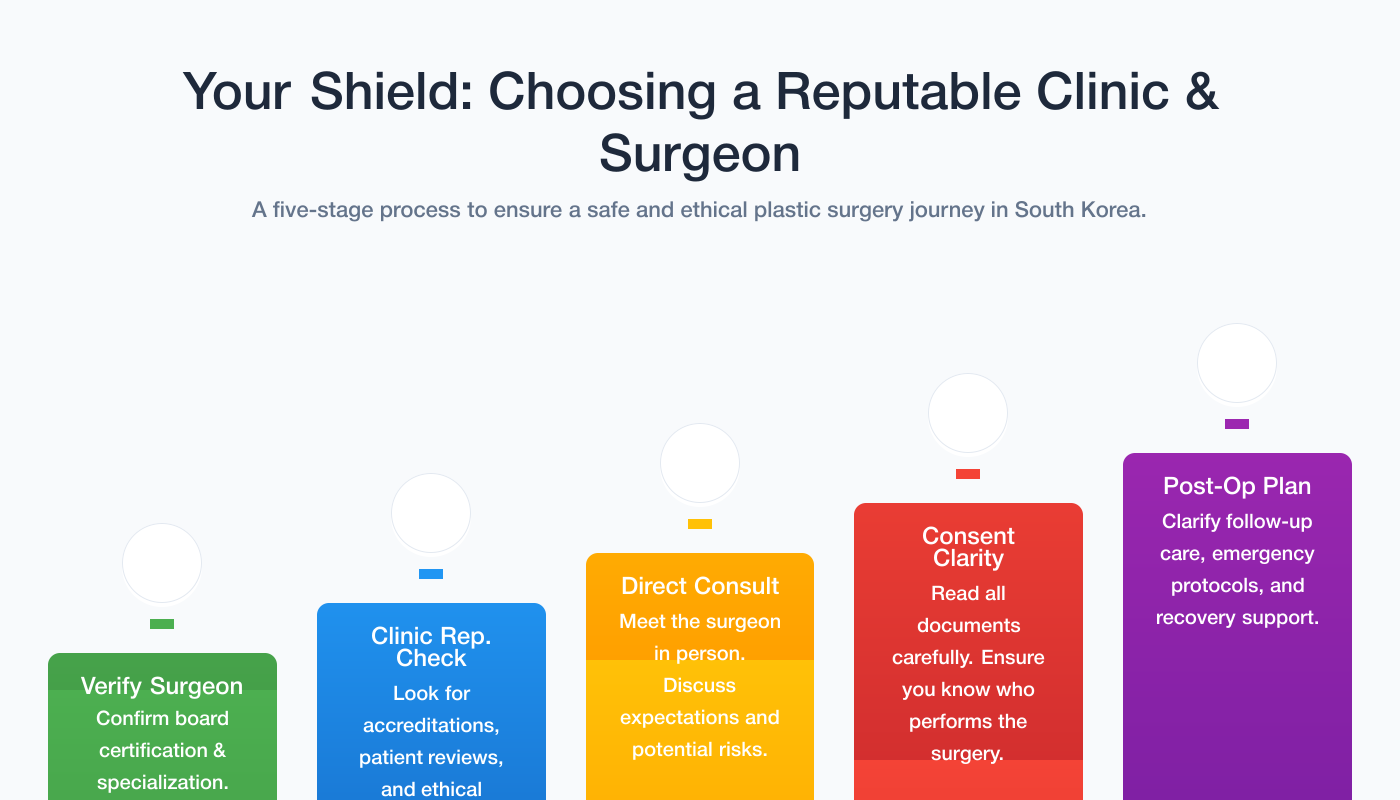
1. Prioritize Accredited Clinics
A foundational step is choosing clinics with recognized accreditations. Seek certifications from bodies like the Korean Accreditation Program for Hospitals Serving Foreign Patients (KAHF) or Joint Commission International (JCI). These signify stringent international safety standards. KAHF, for example, checks 'over 120 safety points' for foreign patient care, offering robust protection. This external validation confirms the facility meets high benchmarks in patient safety and service quality.
2. Verify Your Surgeon's Credentials
Never assume; always verify. Confirm your surgeon's certification through official channels such as the Korean Society of Plastic and Reconstructive Surgeons (KSPRS) or equivalents like the American Board of Physician Specialties (ABPS). Verifying KSPRS certification directly empowers patients to confirm identity and specialized training, ensuring proven competency. This step confirms your chosen professional has undergone rigorous education and passed specific field examinations.
3. Insist on Direct Consultations
A crucial stage is the direct consultation. Insist on meeting the actual surgeon who will perform your procedure well in advance. This allows you to assess their communication and transparency, ensuring they understand your aesthetic goals. It's vital for building trust and preventing any last-minute substitutions, guaranteeing consistency in care.
4. Review the Surgeon's Track Record
Examine the surgeon's experience, particularly in your desired procedure. Request a comprehensive portfolio of their work, including anonymized before-and-after photos demonstrating consistent, high-quality outcomes. A strong track record provides tangible evidence of a surgeon's skill and aesthetic judgment. This helps confirm their capability to deliver the results you envision.
5. Check Professional Memberships and Patient Reviews
Look for surgeons with active memberships in respected organizations like the International Society of Aesthetic Plastic Surgery (ISAPS) or the Korean Association of Plastic Surgeons, implying adherence to global ethical standards. Also, leverage independent platforms such as RealSelf, Google Reviews, and Reddit forums. These offer unfiltered patient feedback, providing valuable insights. Clinics like JK Plastic Surgery Center and AB Plastic Surgery Korea are often noted for their good practices with international patients.
Diligent research and meticulous verification are the most powerful tools available to patients for ensuring a safe and ethical plastic surgery experience.
Spotting the Red Flags: Warning Signs to Avoid in Your Clinic Search
Embarking on a plastic surgery journey in South Korea is an exciting prospect, promising transformative results. However, your safety and satisfaction depend heavily on choosing an ethical and reputable clinic. Becoming aware of potential warning signs is your most powerful tool in navigating this process securely. It empowers you to discern clinics that genuinely prioritize your well-being from those that might cut corners for profit.
Here are crucial indicators to look for, guiding you towards a safe and confident decision:

- High-Pressure Sales and Unrealistically Low Offers: Be wary of clinics that push you into quick decisions with "limited-time" deals or significant upfront discounts. Such high-pressure sales tactics are a red flag ("High-pressure sales tactics," 2023). While fair pricing is important, clinics offering unusually steep discounts are known to cut corners (Medical Travel Today, 2022), potentially compromising your care.
- Insufficient Medical History Review: A truly patient-centric clinic dedicates ample time to understanding your full medical history and aesthetic goals. If a clinic rushes this crucial step or provides vague answers about the procedure or the operating surgeon's credentials, it signals a lack of patient safety focus ("No Detailed Medical Review," 2023).
- Poor Communication and Online Presence: Effective communication is vital, especially for international patients. Clinics lacking English-speaking staff or a professional, transparent online presence with verified, authentic reviews should raise concerns. Language barriers can significantly complicate matters, from pre-operative discussions to post-operative care ("Language barriers can further complicate matters," 2023).
- Confidentiality Agreements (NDAs): Some clinics may ask you to sign non-disclosure agreements. These NDAs are often designed to prevent patients from sharing negative experiences, raising serious concerns about transparency (X platform discussions, 2023). An ethical clinic has nothing to hide and welcomes honest feedback.
- Suspiciously Cheap Package Deals: While attractive, suspiciously cheap package deals often indicate corners being cut, potentially involving unlicensed staff or unsafe practices ("suspiciously cheap package deals," 2023). Your health and safety are invaluable; never compromise them for a lower price point.
Note: Trust your instincts. If something feels off or too good to be true, it likely is. Your active vigilance is the first line of defense against potential risks.
By recognizing these critical warning signs, you empower yourself to identify and confidently avoid clinics that prioritize profit over patient safety and ethical practice, ensuring your journey is both rewarding and secure.
Beyond the OR: Preparing for and Recovering Safely
Embarking on a plastic surgery journey in South Korea extends far beyond the operating room itself. True safety and satisfaction stem from comprehensive preparation and diligent aftercare. It's about ensuring your entire experience is as smooth and secure as the procedure itself.

Before your surgery, vital lifestyle adjustments are paramount. Your surgeon will provide specific guidance, which may include stopping smoking, managing alcohol intake, or adjusting certain medications to minimize risks and promote better healing. Research suggests that "proper preparation is crucial for a safe and successful surgery," laying a solid foundation for your transformation.
An in-depth pre-surgery consultation is essential. This is your opportunity to thoroughly discuss your medical history, detail your aesthetic goals, and understand every aspect of the procedure. Crucially, clarify all pre- and post-operative care instructions, ensuring you know what to expect at each stage. This detailed discussion is key to aligning expectations and understanding your personalized care plan.
Planning for your recovery in South Korea is equally important. Most patients find a stay of "about 7 to 14 days" necessary to attend follow-up appointments and receive initial post-operative support. Confirm that your chosen clinic offers robust aftercare, including "prescribed medications for pain and swelling," regular follow-up visits, and essential language support to ensure your comfort and understanding throughout the healing process.
Addressing potential cultural and language barriers proactively will significantly enhance your experience. Opt for clinics that provide English-speaking coordinators or dedicated translation services, as "effective communication with your medical team is essential." Don't hesitate to "show reference photos" to clearly convey your aesthetic goals, bridging any potential gaps in understanding beauty standards, which can vary culturally. Clear, open dialogue ensures that your vision aligns with your surgeon's expertise.
Note: Understanding that beauty standards can differ is vital. Active communication, using visual aids, ensures your surgeon grasps your unique desires without misinterpretation.
By meticulously preparing your body, mind, and logistical arrangements, you empower yourself for a journey that prioritizes both safety and desired aesthetic outcomes. This holistic approach ensures you are well-supported every step of the way, from consultation to full recovery.
Comprehensive preparation and informed aftercare, coupled with clear communication, are integral to achieving safe and desired outcomes in medical tourism.
The Path Forward: Advocacy, Legislation, and Systemic Change
The journey to eradicate ghost doctors and ensure patient safety in South Korea reflects a powerful collective resolve. This path, built by victims' families, public advocacy, and crucial legislative action, underscores the need for systemic change to permanently safeguard patient welfare.
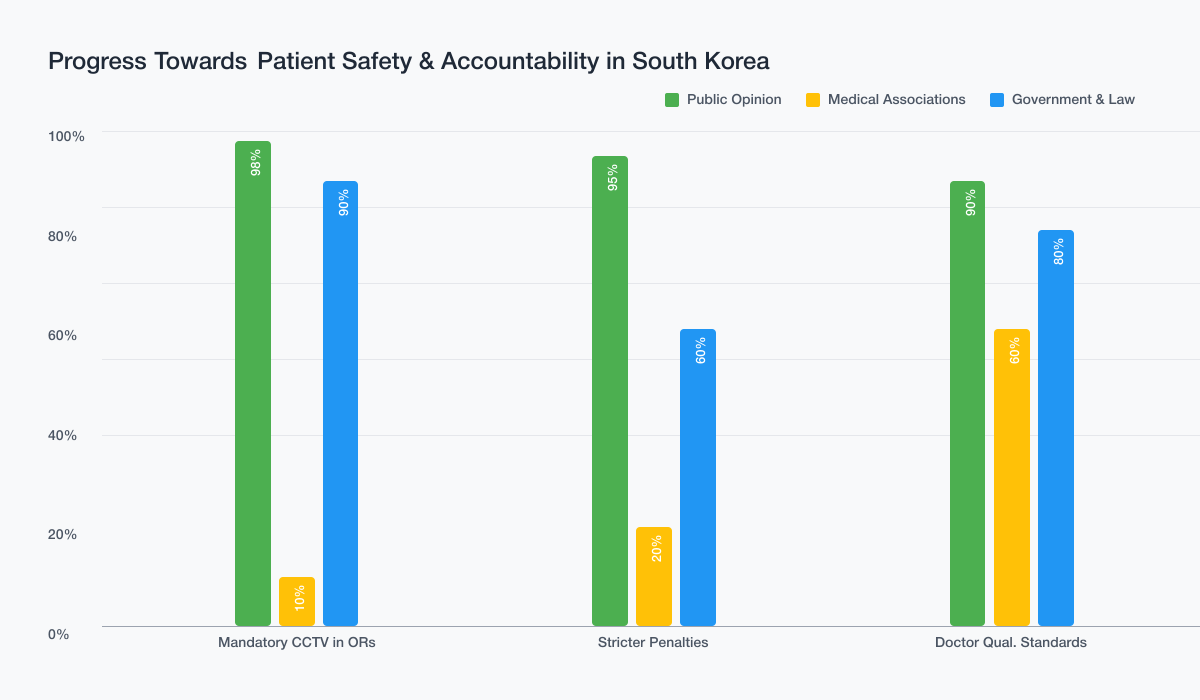
Significant progress emerged with the passage of the Kwon Dae-hee bill in August 2021. This landmark legislation, a direct response to widespread public outcry, now mandates CCTV cameras in operating rooms. This measure adds a vital layer of transparency and accountability, specifically preventing unauthorized personnel from performing surgeries.
Some regions acted even earlier. Gyeonggi province, for instance, pioneered CCTV installation in all its government-run operating rooms before the national bill. This proactive step set a clear precedent for malpractice prevention and upholding ethical practice.
Public support for mandatory CCTV is overwhelmingly high, with 97.9% in favor, according to an Anti-Corruption and Civil Rights Commission poll. However, medical associations voice concerns. The Korean Medical Association publicly opposed CCTV, citing worries about privacy, trust, and potential surgeon concentration issues.
Note: These ongoing discussions highlight the complex balance between enhancing patient safety and addressing medical professionals' legitimate concerns.
The government actively strengthens medical laws and doctor qualification standards. Concurrently, dedicated advocates, including Kwon Dae-hee's mother, relentlessly push for stricter penalties, such as permanent license revocation for serious medical crimes. Their persistence ensures continued pressure for justice and deterrence.
Such concerted efforts, blending legal reform with sustained advocacy, are essential for fostering a truly safe and ethical medical environment. This collective commitment will ultimately forge a more accountable plastic surgery landscape.
FAQs: Addressing Common Concerns About Plastic Surgery Safety in South Korea
Building on our understanding of critical safety considerations, it's natural to have questions when considering plastic surgery in South Korea. Addressing these common concerns directly helps solidify patient understanding and reinforces actionable advice for safe decision-making.
Are Korean plastic surgeons better than Western ones?
Korean surgeons often specialize in procedures like facial contouring, with high case volumes
u2014South Korea performs "24% of global cosmetic surgeries" (Research Data). Western surgeons, meanwhile, might excel in body procedures. The 'best' choice ultimately depends on your specific aesthetic goals and the individual surgeon's proven expertise in that area.
What are the dangers of ghost surgeons in Korea?
"Ghost surgeons" refer to unqualified doctors who perform surgeries instead of the surgeon you consulted and hired. This profound lack of transparency leads to unsafe procedures, poor aesthetic outcomes, and potentially severe medical complications or even death due to the substitute's inexperience. Risks are notably higher in clinics offering overly cheap deals without clear, transparent information about the operating surgeon.
Is it safe to get plastic surgery in Korea as a foreigner?
Yes, it "can be safe as long as you choose a licensed clinic and a qualified surgeon." Many reputable clinics cater extensively to international patients, offering services like professional translators and detailed aftercare. However, thorough personal research, clear communication about your expectations, and verifying your surgeon's credentials are absolutely essential.
How much does plastic surgery cost in South Korea compared to the US?
Generally, Korean plastic surgery is "30
u201350% less expensive than in the US," while maintaining exceptionally high surgical standards. For instance, rhinoplasty costs range from $3,000
u2013$9,000 in Korea compared to $5,000
u2013$15,000 in the US. These cost benefits make informed choices even more valuable.
Embarking on a plastic surgery journey in South Korea offers incredible possibilities for personal transformation and enhanced confidence. However, as we've explored, the hidden dangers of "ghost doctors" underscore the critical importance of informed decision-making and meticulous preparation. Your safety and successful outcome should always be the highest priority.
To recap, here are the essential takeaways for your protection:
- Understanding the reality of unauthorized surgeons operating is the first step in protecting yourself. This unethical practice, driven by profit and regulatory gaps, poses serious risks to patient well-being.
- Your primary focus should be on thoroughly verifying surgeon credentials and clinic accreditations (such as KSPRS, KAHF, or JCI), rather than being swayed solely by significantly lower prices.
- Maintain vigilance against aggressive sales tactics, vague information, or any attempts to limit transparency. Insist on clear communication and a comprehensive plan for your entire surgical journey, from consultation to post-operative recovery.
South Korea remains a leading destination for world-class aesthetic care, and with careful research, you can absolutely achieve your desired results safely and ethically.
As you plan your beauty journey, empower yourself with knowledge and choose partners who exemplify transparency and an unwavering commitment to patient safety. Seek out clinics with clear communication, certified surgeons, and a proven track record of ethical practices and comprehensive care. Your peace of mind and well-being are invaluable. For a trusted partner in your aesthetic journey, consider resources like Wonderful Plastic Surgery which prioritizes transparency and patient well-being.
Tags
Related Articles

How to Choose the Right Plastic Surgeon in Korea: A Guide for International Patients

Online Consult Savings: The Shocking Truth About Korean Plastic Surgery