
Essential Pre-Surgery Health Checklist for International Patients: Navigating Global Care Safely
Read about Essential Pre-Surgery Health Checklist for International Patients: Navigating Global Care Safely on Wonderful Plastic Surgery

While finding a highly skilled surgeon is paramount, the true success of medical travel abroad hinges on more than just the surgical suite. Tens of thousands of patients annually embark on global care journeys, drawn by specialized treatments and often more transparent pricing, yet many underestimate the critical preparation needed to navigate foreign healthcare systems safely and effectively.
Meticulous, proactive preparation is your most powerful tool in mitigating risks and ensuring a smooth, successful medical journey. It transforms a potentially stressful experience into a well-managed path to recovery.
This comprehensive guide offers an essential, step-by-step checklist to proactively manage your health, organize vital documents, and strategically plan your recovery when seeking surgery abroad.
Briefing & TL;DR
Embarking on international medical travel for surgery is an empowering journey toward enhanced well-being, yet its success hinges on meticulous preparation. This overview provides a rapid guide to the essential steps, ensuring a safe and seamless experience for international patients. A successful international surgery is built on a foundation of meticulous preparation across five key areas: vetting, documentation, health readiness, strategic packing, and post-operative planning.
Here are the core pillars for navigating global care safely:
- Vetting is Paramount: Your safety journey truly begins long before your flight. Thoroughly research and verify clinic credentials, surgeon experience, and their established patient safety protocols to build confidence in your choice.
- Documentation is Non-Negotiable: Organize a complete and accessible dossier of your medical records, all necessary travel documents, and insurance policies to prevent any administrative hurdles or unexpected delays.
- Holistic Health Prep: Go beyond just surgical instructions. A dedicated pre-travel health consultation addresses travel-specific risks like necessary vaccinations and strategies for managing any chronic conditions while abroad. This proactive step aligns with CDC recommendations for international travelers.
- Pack for Recovery, Not Vacation: Your luggage should function as a mobile recovery kit, including comfort items, all essential medications, and specific post-operative supplies tailored to your needs.
- Plan for Post-Op and Contingencies: Arrange for virtual follow-ups with your medical team and fully understand your medical travel insurance, especially its coverage for unexpected complications and potential medical evacuation, as advised by U.S. State Department guidance. Tens of thousands of U.S. citizens travel abroad for medical care annually, highlighting the need for robust planning.
Meticulous preparation is your strongest asset for a confident and secure international medical journey.
Phase 1: Due Diligence on Clinics and Surgeons
Your quest for an enhanced self begins with selecting the right medical partner. The patient's first and most critical task is to act as a diligent researcher, as the safety of the entire journey depends on the quality of the chosen facility. This initial phase is about empowering yourself with knowledge, ensuring the chosen international clinic and medical staff meet the highest safety and quality standards.
To make an informed decision, consider these vital steps:
- Verify Clinic Accreditations: Confirm that the clinic holds recognized accreditations and certifications from both national and international healthcare bodies. This might include certifications like the Joint Commission International (JCI) or local health ministry approvals, signaling adherence to strict operational standards.
- Conduct Targeted Virtual Consultations: During virtual meetings, ask specific questions. Inquire about the surgeon's training, their experience with your specific procedure, and their complication rates. It's also crucial to ask about the languages spoken by the staff who will assist you, as seamless communication is vital (jraesthetic.com).
- Seek Verified Patient Reviews: Look beyond the clinic 's own website for recent, authentic patient reviews from independent third-party platforms. These provide unfiltered insights into patient experiences and satisfaction.
- Prioritize Emergency Protocols: Choose clinics with transparent and clear emergency protocols. Affiliation with larger, reputable healthcare organizations often indicates better resources and support systems in case of unforeseen circumstances (Clinic Hunter). This ensures you are protected beyond the operating room.
Note: Always ask for details on how post-operative care is managed, especially concerning potential follow-ups or complications once you return home.
A surgeon's training and experience with your specific procedure, combined with the clinic's up-to-date accreditation, are paramount. Always choose a facility that demonstrates integrity and transparency in its practices.
Thorough investigation is the cornerstone of a safe and successful international medical experience.
Phase 2: Assembling Your Document Dossier
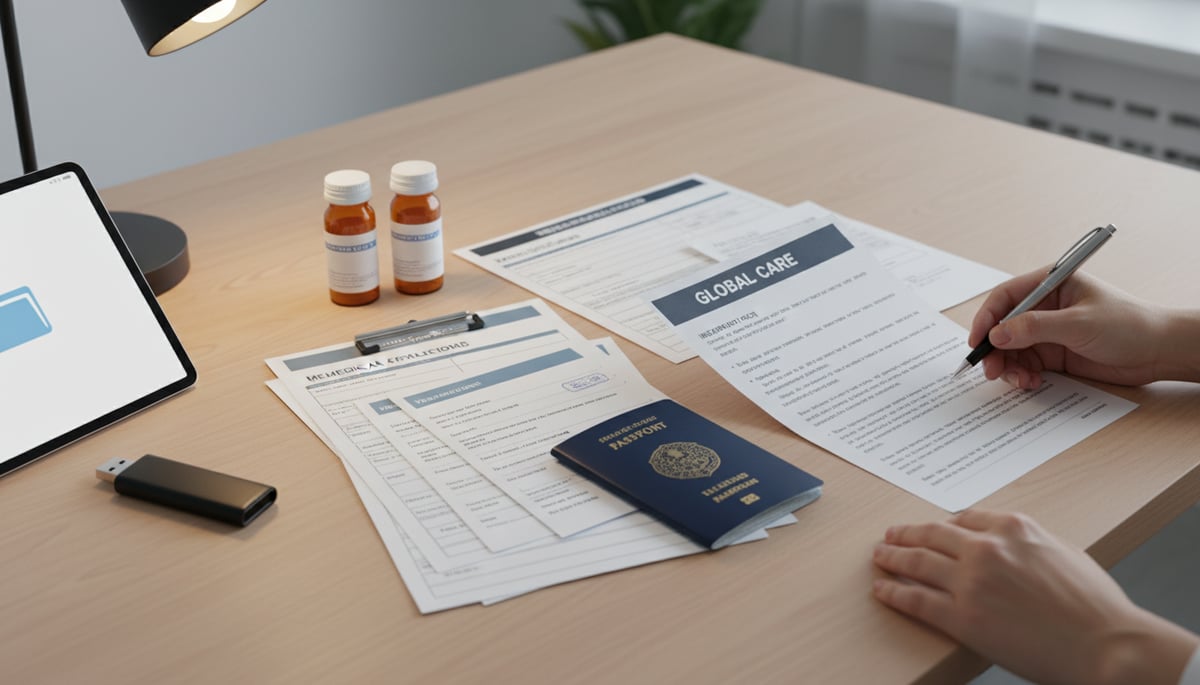
Navigating global care involves more than just medical expertise; it also demands impeccable organization to prevent unforeseen administrative and legal issues. A meticulously organized folder of all necessary documents is the best defense against unforeseen logistical, medical, and even legal complications. This comprehensive dossier ensures a smooth journey from departure to a confident return.
Here's your definitive checklist for preparing your essential documents:
- Passport and Visa Validity: Ensure your passport is valid for at least six months beyond your planned return date. Crucially, research and fulfill all visa requirements for your destination country well in advance.
- Physical and Digital Copies: Carry both physical and digital copies (stored securely on a cloud service and an encrypted USB drive) of all critical documents. This includes your passport, flight confirmations, clinic correspondence, and all comprehensive medical records. The CDC's 'Pack Smart' checklist reinforces this advice.
- Prescription Documentation: Bring copies of all your prescriptions, clearly stating the generic names of medications, dosage, and prescribing doctor's information. Be acutely aware that some medications, such as those for ADHD, anxiety, or strong pain relievers, are restricted or illegal in certain countries. Entering another country with specific medicines without proper documentation could lead to arrest, a stern warning from the U.S. Department of State. Always carry a letter from your doctor explaining the medical necessity for any controlled substances.
- Insurance Policy Details: Keep your travel and medical evacuation insurance policy details readily accessible. This should include emergency contact numbers, policy numbers, and clear information on what your plan covers for medical emergencies, including evacuation. (jraesthetic.com)
Note: Before departing, contact your destination country's embassy or consulate to confirm any specific restrictions on medications you carry. This proactive step can save significant distress.
Remember to keep your original documents secure while having readily available copies for daily use.
A well-prepared document dossier provides peace of mind and protection throughout your medical journey.
Phase 3: The Pre-Travel Health Consultation
Your international medical journey encompasses more than just the surgical procedure itself; it involves your complete health and well-being in a new environment. A comprehensive pre-travel consultation addresses the holistic health risks of international travel, ensuring that your journey is not compromised by an unrelated illness. This crucial step elevates your preparation from a simple checklist to expert medical advice, leveraging robust health guidelines.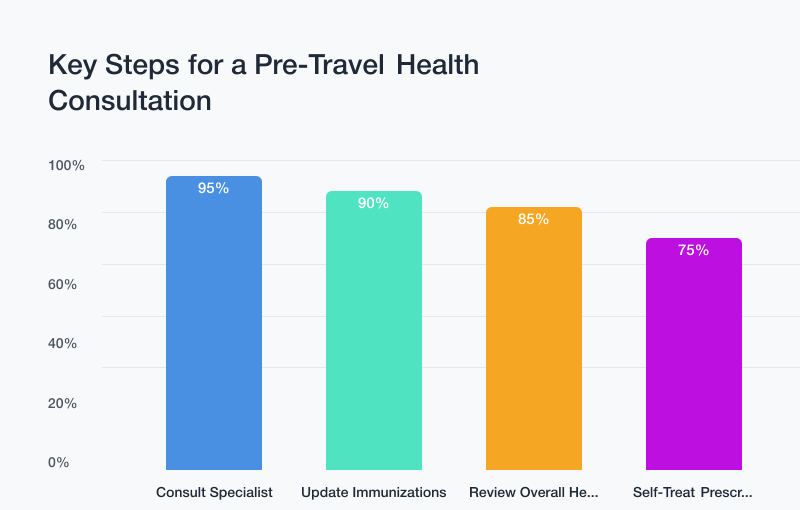
To ensure your overall health is robust for global travel and recovery:
- Consult a Travel Medicine Specialist: Schedule an appointment with a travel medicine specialist 4-6 weeks before your trip. This timeframe allows for any necessary vaccinations to become effective. The consultation involves a detailed risk assessment tailored to your itinerary, medical history, and the specific health risks of your destination, as highlighted in the CDC Yellow Book.
- Update Immunizations: Ensure all routine immunizations are up to date (e.g., Measles, Mumps, Rubella, Tetanus, Diphtheria, Pertussis). Additionally, get any required or recommended travel vaccines for your destination, such as Hepatitis A, Typhoid, or Yellow Fever (CDC). Hepatitis A is one of the most common vaccine-preventable diseases acquired during travel.
- Discuss Overall Health and Surgical Plan: Engage in a thorough discussion about your surgical plan in the context of your complete health profile. This includes reviewing any chronic illnesses, all current medications, and known allergies. Your specialist can offer advice on managing these conditions remotely or during travel.
- Obtain Self-Treatable Prescriptions: Acquire prescriptions for common travel-related conditions that can be self-treated, such as traveler's diarrhea, motion sickness, or altitude sickness medication if applicable. This proactive approach ensures you have immediate remedies for minor ailments.
Note: Your travel health consultation is an opportunity to clarify potential interactions between your regular medications and any new medications prescribed for surgery, as well as how time zone changes might affect dosage schedules.
This personalized consultation provides invaluable insights, ensuring you are medically prepared for all aspects of your international experience.
A proactive health assessment is fundamental to a safe and confident international medical journey.
Phase 4: Strategic Packing for a Comfortable Recovery
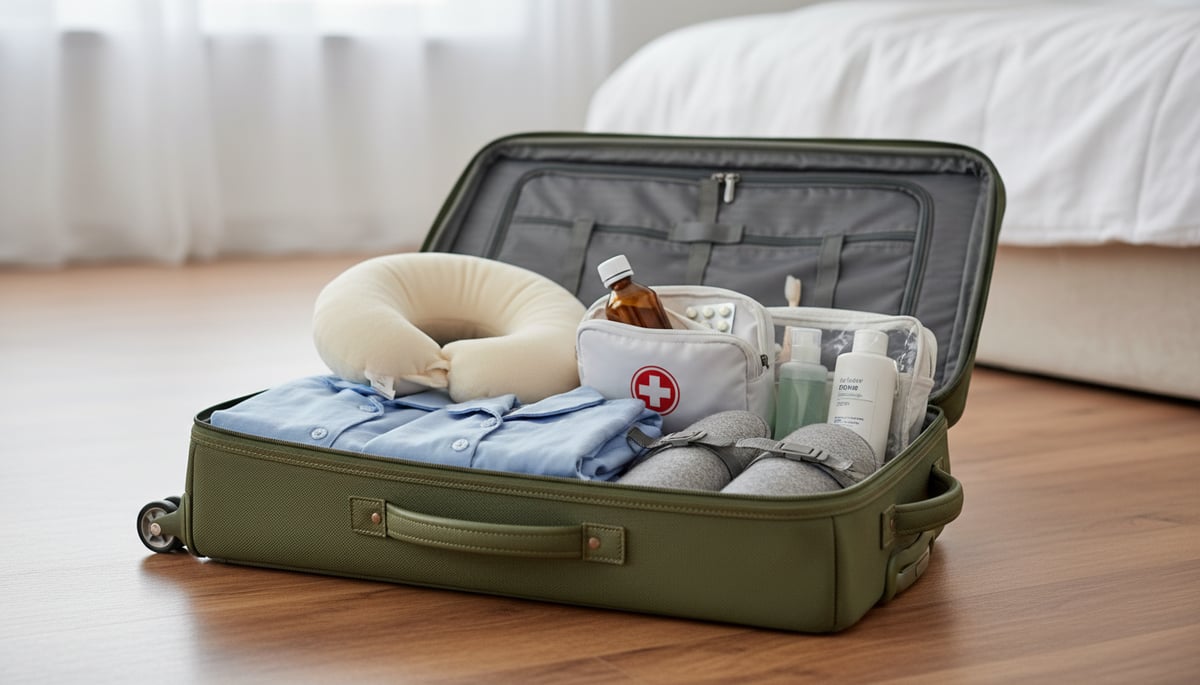
Preparing for international surgery extends beyond medical appointments; it includes meticulously planning what you'll pack for your recovery. Intelligent packing creates a self-sufficient "recovery bubble" that prioritizes comfort, minimizes infection risk, and supports optimal healing. This phase ensures you arrive prepared for every step of your post-operative journey.
Consider these essential categories for your packing list:
- Comfortable Attire: Focus on clothing that won't irritate incision sites. Pack loose, breathable fabrics like cotton or bamboo, along with tops that fasten in the front, avoiding overhead motions. Slip-on shoes are also ideal to prevent bending or straining. As Clinic Hunter (2024) details, suitable clothing significantly aids mobility and comfort.
- Essential Medications: Bring all prescribed medications in their original, clearly labeled containers. Crucially, carry physical and digital copies of your prescriptions. This is vital for customs and ensures continuity of care, as recommended by the CDC (2023) for international travel.
- Hygiene & First Aid: Pack a basic first-aid kit, and gentle, fragrance-free hygiene products. Items like antibacterial wipes, dry shampoo, and soft toothbrushes are invaluable when mobility is limited. Prioritizing cleanliness is paramount for preventing infection during recovery.
- Specific Recovery Aids: Based on your procedure, pack specialized aids. This might include a supportive neck pillow, a wedge cushion for elevation, or reusable cold packs (ensure they can be easily chilled at your accommodation). These items can vastly improve comfort during rest and sleep.
Note: Always double-check airline restrictions for liquids and medical supplies before your flight to avoid unnecessary delays or confiscations.
Thoughtful packing is a proactive step towards a smoother, more comfortable recovery, ensuring you have immediate access to everything needed.
Phase 5: Navigating Post-Op Care and the Journey Home
The journey doesn't end when your surgery is complete; the immediate post-operative period and your return home are equally critical for a successful recovery. The surgeon's work concludes in the operating room, but the patient's responsibility for a successful outcome extends through weeks of diligent post-operative self-care and communication.
Upon discharge, choosing appropriate accommodations is key. Select a hotel or recovery house close to your clinic that offers cleanliness, quietude, and accessibility (e.g., elevators if stairs are an issue). Clinic Hunter (2024) consistently emphasizes planning for proper recovery accommodations to support healing. During this time, strictly adhere to all post-operative instructions regarding medication schedules, dietary restrictions, hydration, and physical activity limitations.
As you transition back home, proactive communication with your surgical team remains vital. Before leaving, confirm the protocol for virtual follow-up appointments and how to contact the surgical team with any concerns. Many reputable clinics offer secure messaging or telemedicine platforms for seamless post-trip monitoring, as advised by jraesthetic.com (2024). Once home, continue to monitor your recovery closely. Watch for any signs of infection, such as fever, excessive swelling, unusual pain, or discharge, and contact your international clinic immediately if these arise.
Diligent adherence to post-operative guidelines and open communication will empower your successful healing journey.
Contingency Planning: Insurance and Financial Safety Nets
While the allure of global care is strong, overlooking financial safety nets can transform a healing journey into a costly ordeal. Specialized medical travel and evacuation insurance is a non-negotiable safety net, transforming a potential financial catastrophe into a manageable event. This crucial preparation safeguards your well-being and finances.
It's essential to understand that your standard health insurance almost certainly does not cover you abroad. For instance, Medicare explicitly does not pay for medical costs outside the United States, and the U.S. government does not pay medical bills incurred abroad. This highlights a significant gap in coverage for international patients.
Therefore, purchasing a dedicated medical travel insurance policy is paramount not a simple trip cancellation plan. Verify that this policy specifically covers complications from your planned procedure. Clinic Hunter (2024) strongly distinguishes between general travel insurance and specialized medical coverage for this reason.
Crucially, understand the potentially astronomical cost of medical evacuation. Data from the U.S. Department of State (2023) indicates medical evacuation can range from $20,000 to over $200,000, depending on your location and medical needs. Ensure your chosen policy includes comprehensive medical evacuation coverage. Keep your insurance policy number and emergency contact information readily accessible in multiple formats (phone, printed card, with a family member) to ensure you're protected if additional care is required.
Securing the right insurance is a fundamental, empowering step towards safeguarding your entire global medical experience.
Frequently Asked Questions (FAQ)
Navigating international care can raise many questions, and addressing them proactively builds confidence. Common anxieties can be effectively managed by seeking clear answers and having contingency plans in place before you travel.
Here are answers to some of the most common concerns for international patients:
- Is surgery abroad safe?
Yes, it absolutely can be. Many patients report safe and successful experiences abroad with thorough research. Safety is primarily a result of your diligence in verifying clinic credentials, surgeon experience, and preparing meticulously. Look for internationally accredited facilities and transparent practices. - How do I communicate with my surgeon after returning home?
Reputable clinics understand the need for continuity of care. Most offer virtual follow-up options via secure messaging, email, or telemedicine platforms. Always clarify these communication protocols before your surgery to ensure seamless post-operative support. - What if complications arise after I get back?
Contact your international clinic immediately if you experience any unexpected issues. Your medical travel insurance should provide a 24/7 hotline that can assist in coordinating local care or advising on the next steps, as emphasized by jraesthetic.com (2024). - How do I choose a reputable clinic?
Look for specific indicators: international accreditations (e.g., JCI), transparent pricing, responsive and clear communication, and a strong portfolio of positive reviews from international patients. A detailed consultation process also signifies a patient-centric approach.
Empowering yourself with clear answers is a vital part of a successful international medical journey.
Navigating global medical care presents incredible opportunities for specialized treatment and cost-effective solutions. However, the path to a successful outcome abroad is truly paved with meticulous preparation. This guide has walked you through essential steps, from diligent research into clinics and surgeons to assembling your vital document dossier.
We've also highlighted the critical nature of pre-travel health consultations and strategic packing for a comfortable, stress-free recovery.
Here are the key takeaways to ensure your journey is safe and successful:
- Prioritize Due Diligence: Thoroughly vet your chosen clinic and surgeon, verifying their credentials, safety standards, and patient testimonials to ensure a reputable choice.
- Master Your Health & Documents: Compile a complete medical history, undergo a comprehensive pre-travel health check, and organize all necessary legal and health documents well in advance.
- Plan for Seamless Recovery: Strategize your post-operative care, accommodation, and communication plan for both during your stay and your return home, ensuring continuous support.
By embracing these proactive steps, you transform the complexities of international medical travel into a well-managed journey towards optimal health and renewed confidence. As you embark on this important journey, remember that diligence in your preparation is your strongest ally. Begin by carefully evaluating potential providers, prioritizing those known for their unwavering commitment to safety and ethical patient care, ensuring a genuinely safe and successful international medical experience.
Tags
Related Articles

How to Choose the Right Plastic Surgeon in Korea: A Guide for International Patients

How to Choose the Right Plastic Surgeon in Korea: An International Patient’s Guide