
Safety First: Debunking Plastic Surgery Accident Myths
Read about Safety First: Debunking Plastic Surgery Accident Myths on Wonderful Plastic Surgery

When considering plastic surgery, many people recall images from dramatic TV shows or sensational headlines about rare accidents. This perception, fueled by media portrayals, often paints an inaccurate picture of high risk and frequent complications. The reality of modern aesthetic surgery is significantly different—far safer and more predictable than these myths suggest.
This guide dismantles widespread misconceptions with factual, evidence-based information from board-certified plastic surgeons. By moving beyond Hollywood hype, we will explore the true landscape of plastic surgery safety, addressing common anxieties with real data. We will cover the actual risks and how they are managed, the critical importance of a surgeon's credentials, and what a modern recovery process truly entails.
Understanding these facts empowers you to prioritize your safety and make confident decisions about your aesthetic journey.
TL;DR
Sensationalized headlines paint a frightening picture of plastic surgery, but the data tells a much calmer story. Plastic surgery is substantially safer than public perception suggests. The most critical safety factor isn't luck, but the informed choice of a qualified surgeon and an accredited medical facility.
Major complications are rare. A comprehensive review confirms that the most significant risks are well-understood and manageable, challenging dramatic media narratives (PMC Complications Review, 2021).
- Serious incidents are uncommon, with a mortality rate around 1 in 5,000 procedures.
- The primary risks are manageable issues like infection or blood clots, not media horror stories.
- A board-certified plastic surgeon has specialized training. 'Cosmetic surgeon' is not an equivalent, protected title.
- Modern techniques often mean faster recovery and more natural results than myths suggest.
Choosing a board-certified plastic surgeon operating in an accredited facility is the single most important decision you will make.
Separating Hollywood Hype from Hospital Reality
Vivid portrayals in movies and television often shape our understanding of medical procedures, especially plastic surgery. These dramatic narratives, while entertaining, frequently highlight rare complications, fueling public apprehension and creating a skewed perception of risk. It is easy to mistake sensationalized fiction for medical fact when considering aesthetic enhancements.
This article aims to bridge that gap by providing an evidence-based perspective on the true safety landscape of modern plastic surgery. Despite widespread fears, the demand for these procedures continues to rise, reflecting growing patient confidence. The American Society of Plastic Surgeons (ASPS 2024) reported a steady increase in both surgical and minimally invasive procedures. Furthermore, a comprehensive review published in PMC (2015) noted over 1.5 million surgical and three million nonsurgical procedures performed in the US alone that year, underscoring the routine nature of these interventions.
The vast majority of plastic surgery procedures are conducted safely, with serious complications being statistically rare. Understanding the robust safety measures in place is crucial for a realistic perspective.
Making informed choices means looking beyond dramatic narratives and focusing on the extensive safety measures that define contemporary aesthetic medicine.
Myth 1: Catastrophic Accidents Are a Common Occurrence
Headlines and television dramas often portray cosmetic surgery as fraught with peril, painting a picture of frequent, life-altering accidents. This narrative, while compelling, creates a significant gap between public perception and medical reality. While no surgery is entirely without risk, the incidence of catastrophic events in plastic surgery is statistically very low.
A comprehensive review of surgical data reveals a much different story. The overall mortality rate for cosmetic surgery performed by qualified surgeons is low, with a foundational study by Grazer FM and de Jong RH (2000) reporting a rate around 1 in 5,000 procedures. This risk is significantly influenced by whether the procedure is performed in properly accredited facilities. Furthermore, a PMC complications review shows that even severe complications are exceptionally rare; for instance, visceral perforation during liposuction has an incidence of just 14 per 100,000 procedures. The most common issues are not disfigurement but manageable conditions like bleeding, infection, or fluid collection (hematoma/seroma).
| Risk Category | Perceived Risk (Myth) | Statistical Reality (Fact) |
|---|---|---|
| Overall Outcome | High chance of fatal or disfiguring accidents. | Mortality rate is approximately 1 in 5,000 procedures. |
| Serious Complications | Frequent, unpredictable catastrophic events. | Specific severe complications are rare (e.g., 14 in 100,000 for visceral perforation). |
| Common Issues | Often overlooked in favor of dramatic stories. | Most common risks are manageable issues like infection, bleeding, or fluid collection. |
This data reframes the conversation around safety from an unfounded fear of random accidents to the tangible, controllable factors that ensure a positive outcome. A transparent discussion with your surgeon about these manageable risks is a hallmark of excellent, patient-centric care.
Understanding the statistical reality empowers you to move past fear-based narratives and focus on the most important factor for a safe outcome: choosing a qualified surgeon and an accredited facility.
Understanding the Real Risks: What Every Patient Should Know
While dramatic headlines often focus on rare accidents, an informed conversation about plastic surgery safety centers on well-understood and manageable medical risks. The genuine risks are not unpredictable mishaps but documented medical events like blood clots, infections, and fluid collection, which skilled surgeons meticulously work to prevent and manage.
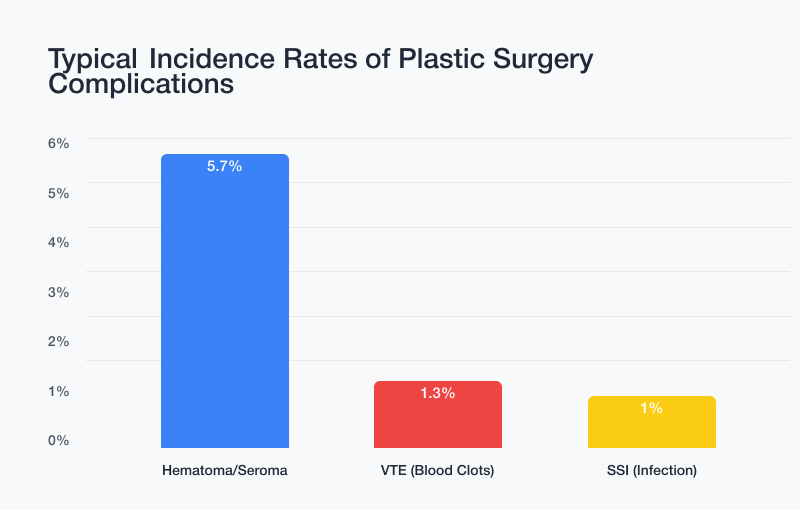
The most significant serious risk is Venous Thromboembolism (VTE), or blood clots, which is the leading cause of mortality following cosmetic surgery. A comprehensive review published in the PMC journal highlights that VTE can account for a significant percentage of postoperative deaths. Procedures like abdominoplasty carry a higher incidence, making pre-operative screening and preventative measures absolutely essential.
Other common complications include Surgical Site Infections (SSIs) and hematomas. According to the American Society of Plastic Surgeons (ASPS), infections are a risk in any surgery, though the overall incidence in aesthetic procedures is typically less than 1%. Hematomas, or collections of blood under the skin, are also relatively common but are usually identified and managed effectively by the surgical team.
| Complication | Typical Incidence Rate | Prevention & Management |
|---|---|---|
| Venous Thromboembolism (VTE) | Low, but higher in some procedures (e.g., up to 1.3% in abdominoplasty) | Pre-operative screening, anti-clotting medication, compression devices, early mobilization. |
| Surgical Site Infection (SSI) | Generally <1% overall; can be higher in certain complex surgeries. | Prophylactic antibiotics, sterile surgical techniques, proper wound care instructions. |
| Hematoma / Seroma | Varies by procedure (e.g., 0.6% - 5.7% in breast augmentation) | Meticulous surgical technique to control bleeding, use of surgical drains, compression garments. |
These protocols are foundational to a safe surgical plan. Your surgeon will conduct a thorough health evaluation to identify risk factors and create a personalized strategy to minimize these known complications. A transparent discussion about your personal health history is the most critical step you can take to mitigate these risks.
Understanding that the most common risks are preventable and manageable empowers you to have a safer and more confident surgical experience.
Myth 2: Any Doctor with a Medical License Can Perform Plastic Surgery

In the journey to enhance your appearance, the most important guide you choose is your surgeon. However, a common and dangerous misconception is that all doctors offering cosmetic procedures possess the same level of specialized training. While it is legally permissible for any physician with a medical license to perform cosmetic treatments, this legality does not equate to qualification.
A board-certified plastic surgeon is a physician who has completed a minimum of six to eight years of intensive, hands-on surgical training after medical school, including a dedicated residency in plastic surgery. This comprehensive education ensures they have the refined skills not only to achieve beautiful results but also to manage potential complications with expertise. In contrast, physicians from unrelated specialties may take short weekend courses on procedures and market themselves as "cosmetic surgeons." The term ‘cosmetic surgeon’ is not a recognized specialty by the American Board of Medical Specialties (ABMS) and lacks a standardized training or certification path.
| Credential | Training & Residency | Board Certification | Scope of Practice |
|---|---|---|---|
| Board-Certified Plastic Surgeon | Min. 6-8 years of dedicated surgical training, including a plastic surgery residency. | Certified by the American Board of Plastic Surgery (ABPS), recognized by the ABMS. | Trained in the full spectrum of cosmetic and reconstructive surgery for the face, head, and body. |
| "Cosmetic Surgeon" | Varies widely; may be from any medical specialty. | Not an ABPS-recognized specialty. May hold board certification in an unrelated field. | Training is often limited to short courses on specific, often non-invasive procedures. |
These titles are not interchangeable, and the profound difference in training directly impacts patient safety. Verifying your surgeon’s credentials with the American Board of Plastic Surgery (ABPS) is a simple, non-negotiable step in your journey.
The single most critical safety decision a patient can make is choosing a surgeon certified by the American Board of Plastic Surgery, as their specialized training is specifically designed for these complex procedures.
Myth 3: Recovery is Always Agonizing and Disruptive
The fear of a long, painful recovery often overshadows the excitement of a personal transformation. Many envision weeks of incapacitating discomfort, a narrative shaped by outdated accounts and dramatic media portrayals. This perception, however, is no longer the reality for most patients.
Modern plastic surgery prioritizes comfort through significant advancements in surgical techniques and pain management. Surgeons now employ comprehensive strategies, including rapid recovery systems, to minimize discomfort and shorten downtime. The American Society of Plastic Surgeons (ASPS) highlights that a comfortable recovery is planned from the beginning. According to an ASPS publication (2023), many procedures now result in very little pain due to the strategic use of long-acting local anesthetics administered during the operation.
The reality of modern recovery is a structured and supportive process:
- Procedure-Specific Timelines: The healing journey is tailored to the procedure. Minimally invasive treatments may involve no social downtime, while a tummy tuck will naturally require more time.
- Advanced Pain Control: Modern protocols often move beyond a heavy reliance on opioids, utilizing a combination of local anesthetics, nerve blocks, and non-opioid medications to manage discomfort proactively.
- Encouraged Early Mobility: Contrary to the myth of being bedridden, surgeons encourage light movement soon after surgery to promote circulation and speed up the healing process.
- The Patient's Crucial Role: A smooth recovery depends heavily on your commitment to following all postoperative instructions, including wound care, activity restrictions, and attending follow-up appointments.
Your recovery is a carefully managed phase of your aesthetic journey, not an agonizing ordeal.
Following your surgeon's personalized aftercare plan is the single most important factor in ensuring your healing is comfortable, safe, and efficient.
Your Safety Checklist: How to Make an Informed Decision
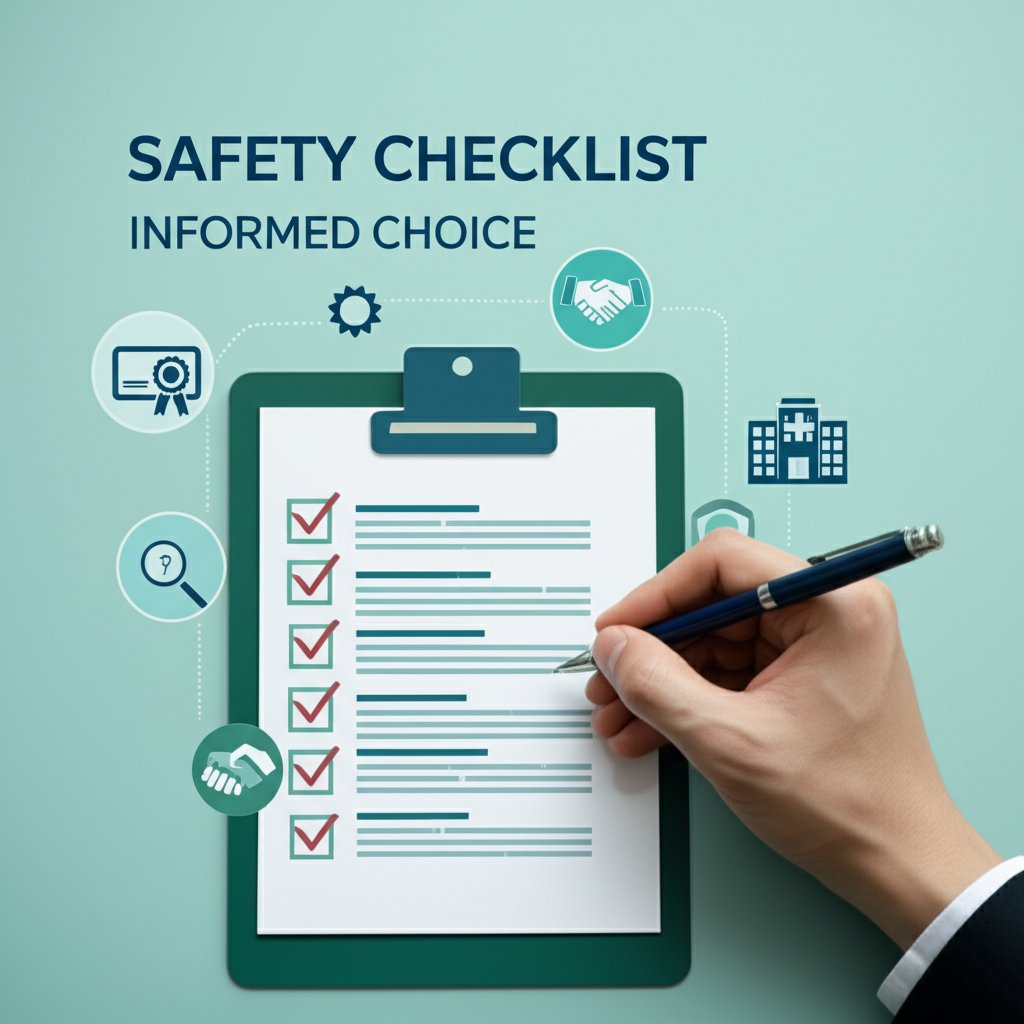
Navigating the path to plastic surgery can feel complex, but you hold the power to ensure your journey is safe and successful. A structured approach transforms uncertainty into confidence. Your most effective tool is a meticulous vetting process that involves evaluating your surgeon’s credentials, the medical facility’s standards, and the quality of your communication.
The American Society of Plastic Surgeons (2024) notes that its members must be board-certified, complete rigorous training, and operate only in an accredited facility. This ensures a foundation of excellence and ethical care.
- Verify Board Certification: Confirm your surgeon is certified by the appropriate national board for plastic surgery. This is a primary indicator of extensive training and a commitment to the highest standards.
- Check Facility Accreditation: Ensure your procedure will be performed in an accredited hospital or a licensed outpatient surgical center, which guarantees strict requirements for safety and staff.
- Ask About Experience: Inquire how many times the surgeon has performed your specific procedure. A high volume of experience often correlates with refined techniques.
- Discuss Risks Openly: A reputable surgeon will be transparent about all potential risks and explain their protocols for preventing and managing them.
- Review Before-and-After Photos: Examine a portfolio of the surgeon's work, focusing on patients with a similar starting anatomy to yours to ensure their results align with your goals.
- Trust Your Comfort Level: You should feel respected, heard, and comfortable with your surgeon and their team. This rapport is a crucial component of a positive surgical experience.
This checklist is your framework for taking control of your health and aesthetic journey.
By thoroughly vetting your surgeon and their practice, you become an active partner in securing a safe and successful outcome.
In conclusion, navigating the world of plastic surgery requires clear facts, not sensationalized fiction. The truth is empowering: when approached with diligence and proper information, aesthetic procedures can be a safe path to enhancing confidence and achieving desired results.
Here are the key takeaways to empower your decision-making:
- Serious incidents are rare: While any surgery carries inherent risks, catastrophic accidents in plastic surgery are exceedingly uncommon. The focus should be on managing identifiable, minor risks.
- Choose expertise wisely: The title 'plastic surgeon' signifies specialized, rigorous training. Always seek a board-certified plastic surgeon to ensure you are in the care of a highly qualified professional.
- Recovery is often manageable: Modern techniques have significantly improved the recovery process, making it faster and less painful than often portrayed.
Plastic surgery, like any medical procedure, requires careful consideration. By separating fact from fiction and prioritizing informed choices, you pave the way for a positive and successful experience.
Your safety is the foundation of a successful result, and it begins with diligent, informed research.
Tags
Related Articles

How to Choose the Right Plastic Surgeon in Korea: A Guide for International Patients

Korean Plastic Surgery: Debunking 7 Essential Myths