
Understanding Your Options: A Guide to Different Types of Eye Surgery
Read about Understanding Your Options: A Guide to Different Types of Eye Surgery on Wonderful Plastic Surgery

Over 3.7 million cataract surgeries are performed in the U.S. annually, restoring sight and significantly improving quality of life for millions. This remarkable procedure, however, is just one example of the incredible advancements in ophthalmology, offering vital solutions for a vast range of conditions.
For many, the idea of eye surgery can feel daunting, often surrounded by confusing medical terms and personal anecdotes that cloud understanding. This guide is designed to be your clear, calm, and empowering resource, cutting through the complexity.
We'll explore the purpose, process, and patient experience for the most common types of eye surgery, from elective vision correction like LASIK to vital, sight-saving procedures for glaucoma and retinal detachment. Our aim is to empower you with foundational knowledge, ensuring you can approach discussions with your eye care professional with confidence and clarity about your options.
Why Is Eye Surgery Performed? An Overview
Eye surgery encompasses a remarkably diverse range of procedures, far beyond the common perception of merely correcting vision. While many procedures, like LASIK, enhance lifestyle by improving eyesight, a significant portion are critical interventions designed to preserve or even restore vision threatened by disease or injury. Understanding this distinction is key to appreciating the breadth of modern ophthalmology.

Fundamentally, eye surgeries fall into two broad categories: elective procedures for refractive correction and medically necessary interventions for treating eye diseases or trauma. Elective surgeries, such as those for refractive errors, aim to reduce or eliminate the need for glasses or contact lenses. These are chosen by patients seeking convenience and improved quality of life.
However, the medical necessity of eye surgery often addresses far more serious conditions. Many procedures are performed to treat potentially sight-threatening issues like cataracts, glaucoma, or retinal detachment. For instance, surgical intervention might be required to manage the intraocular pressure associated with glaucoma, preventing irreversible damage to the optic nerve. Similarly, urgent surgery can be needed to repair damage from eye trauma or to remove tumors (Research data).
Note: Modern advancements have revolutionized eye surgery, introducing minimally invasive and laser-assisted techniques. These innovations frequently lead to shorter recovery times and reduced discomfort compared to traditional open surgery methods.
The specific surgical approach is always tailored to the individual. A thorough assessment of the patient's unique eye condition, anatomical structure, and overall health status guides the recommendation. This personalized approach ensures the most effective and safest outcome, whether it's for improved vision or critical sight preservation (Proof anchor: distinction between elective refractive surgeries and medically necessary procedures for glaucoma or retinal detachment).
Eye surgery is a highly specialized field that addresses a wide spectrum of issues, from enhancing lifestyle through vision correction to performing critical interventions to prevent blindness.
Refractive Surgery: Correcting Nearsightedness, Farsightedness, and Astigmatism
Imagine a life free from the daily hassle of glasses or contact lenses. This aspiration drives many individuals to explore refractive surgery, a specialized field focused on permanently correcting common vision imperfections like nearsightedness and astigmatism. These procedures primarily reshape the cornea or implant corrective lenses to properly focus light onto the retina, providing clear vision.
The most recognized refractive surgeries are laser-based, specifically LASIK (laser-assisted in situ keratomileusis) and PRK (photorefractive keratectomy). Both procedures use excimer lasers to precisely reshape the cornea. The fundamental difference lies in their approach:
- LASIK: A thin, hinged flap is created on the cornea's surface, lifted to allow the laser to reshape the underlying tissue (Research data: reshapes tissue under cornea's surface), and then repositioned. This method typically results in quicker vision recovery and less discomfort.
- PRK: The outer layer of the cornea (epithelium) is gently removed, and the laser then reshapes the surface of the cornea directly. The epithelium naturally regrows over several days, meaning a longer and potentially more uncomfortable recovery period than LASIK, though the final visual outcome is often similar (Research data: reshapes the cornea without a flap).
While highly effective, not everyone is a suitable candidate for laser eye surgery. Factors such as thin corneas, extremely high prescriptions, or certain eye conditions can rule out LASIK or PRK. For individuals in these situations, alternative solutions offer equally compelling results.
One excellent alternative is the Implantable Collamer Lens (ICL) or Phakic Intraocular Lens (IPCL). This procedure involves surgically placing a corrective lens inside the eye, typically behind the iris but in front of the natural lens (Research data: lens behind the iris). It does not remove corneal tissue and is reversible, providing a strong option for those with high refractive errors or thin corneas. For example, a Reddit user with high power (-7 SPH, -3 CYL) and thin corneas, unsuitable for LASIK, found an effective solution with IPCL, reporting settled vision at 20/25 and 20/30 (Proof anchor: Reddit user's post-ICL vision settled). They noted needing reading glasses for screen work, a common experience with presbyopia regardless of refractive surgery. Potential side effects like halos and ring lights are also frequently discussed in post-operative patient experiences. General risks for refractive surgeries, as noted by medical sources, include dry eyes, glare, and slight vision changes (Proof anchor: general risks listed in medical sources).
Modern refractive surgeries offer a permanent alternative to glasses and contacts, but the right procedure is highly dependent on an individual's specific eye anatomy and prescription.
Cataract Surgery: Replacing a Clouded Lens to Restore Vision
As we age, it's common for our vision to gradually become blurry, hazy, or dim—symptoms often indicative of cataracts. A cataract is the clouding of the eye's natural lens, much like looking through a foggy window. This natural lens, essential for focusing light, typically hardens and opacifies over time, impacting millions worldwide. Fortunately, cataract surgery is one of the most common and successful medical procedures performed today.

The purpose of cataract surgery is straightforward: to remove the clouded lens and restore clear vision. It is generally a low-risk, outpatient procedure that takes approximately 15 minutes to complete (Research data: low-risk, takes about 15 minutes). The process typically involves these steps:
- Preparation: The eye is numbed with drops or a local anesthetic.
- Incision: A tiny incision, usually less than a quarter-inch, is made in the cornea.
- Lens Removal: A small ultrasonic probe is inserted to break up the clouded natural lens into tiny fragments, which are then suctioned out (Research data: removing the eye's natural lens).
- IOL Implantation: A clear, artificial intraocular lens (IOL) is carefully inserted and positioned to replace the removed natural lens (Research data: replacing with a clear artificial lens). These IOLs are custom-selected to meet the patient's specific vision needs, sometimes even correcting astigmatism or presbyopia.
This routine procedure significantly enhances a patient's quality of life by improving clarity, color perception, and depth of field. Over 3.7 million cataract surgeries are performed in the U.S. each year, highlighting its widespread application and proven effectiveness (Research data: Over 3.7 million cataract surgeries in U.S. each year). While recovery can vary, full visual recovery typically takes about four to eight weeks, during which patients might experience mild discomfort or temporary blurred vision (Proof anchor: Cleveland Clinic notes a 4-8 week recovery time). As with any surgical procedure, standard risks like infection or bleeding are discussed, though they are rare (Proof anchor: Standard surgical risks mentioned across medical sources).
Cataract surgery is a highly effective and routine procedure that significantly improves quality of life by directly addressing the cause of vision loss.
Managing Glaucoma: Surgical Options to Reduce Eye Pressure
Glaucoma is often called the "silent thief of sight" because it can slowly damage your optic nerve, often without noticeable symptoms in its early stages. This damage frequently stems from elevated pressure inside the eye, known as intraocular pressure. While medications like eye drops are usually the first line of defense, surgery becomes a crucial step when these treatments aren't effective enough to control the pressure.
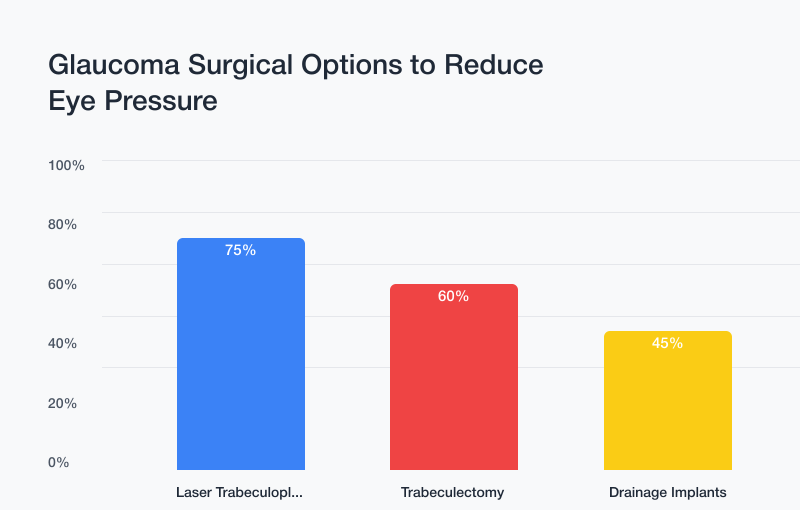
The primary goal of glaucoma surgery is not to restore lost vision, but to halt the progression of the disease by creating better drainage for the fluid within your eye. This process helps prevent further, irreversible damage to the optic nerve. All reputable sources emphasize that treatment for glaucoma aims to prevent further vision loss (National Eye Institute, 2023).
When medication alone isn't sufficient, surgical intervention steps in to mechanically reduce eye pressure. These procedures are designed to improve the outflow of aqueous humor, the clear fluid that nourishes the front of your eye.
Common surgical techniques include:
- Laser Trabeculoplasty: This involves using a focused laser to treat the eye's drainage angle. The laser improves fluid outflow through the existing drainage channels. Selective Laser Trabeculoplasty (SLT) specifically uses a cold laser to achieve this, making it a gentle option (Glaucoma Research Foundation, 2022).
- Trabeculectomy: This more involved procedure creates a new, tiny drainage channel in the white part of your eye (sclera). This opening allows extra fluid to drain from inside the eye into a small collection area (a "bleb") under the eyelid, which is then absorbed by the body. Research confirms a trabeculectomy effectively creates an alternative pathway for fluid drainage.
- Drainage Implants (Shunts): For some patients, tiny tubes or devices (shunts) are surgically inserted into the white of the eye. These implants act as a bypass, directing fluid from inside the eye to an external plate, which sits beneath the conjunctiva and helps regulate pressure.
Note: Glaucoma surgery is about managing a chronic condition. While highly effective in preserving vision, it requires careful follow-up and does not typically restore vision already lost.
Surgical intervention for glaucoma is a critical, sight-saving measure designed to halt the progression of the disease by mechanically reducing eye pressure.
Retinal Surgery: Repairing the Eye's Light-Sensitive Layer
The retina is a marvel of biological engineering, a delicate, light-sensitive tissue lining the back of your eye. It acts like the film in a camera, capturing images and sending them to your brain, making it absolutely critical for clear vision. When issues arise with the retina, especially conditions like retinal detachment, they are often considered urgent medical emergencies that require immediate attention.
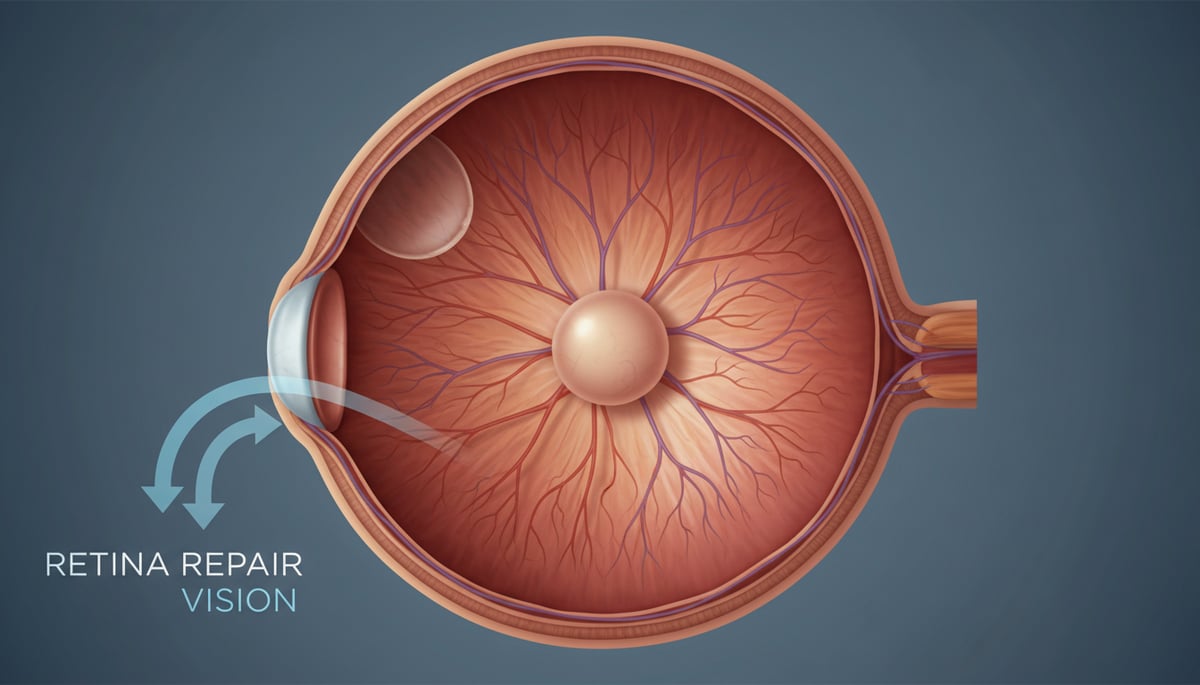
A retinal detachment occurs when this vital tissue pulls away from its normal position at the back of the eye. This separation can lead to permanent vision loss if not addressed swiftly. Retinal surgeries are complex, aiming to physically repair or reattach this neural tissue and prevent permanent vision loss. It's important to note that while many retinal problems can be addressed, not all, such as certain types of macular degeneration, are treatable with surgery (Healthline, 2023).
Surgeons employ a range of intricate techniques to repair retinal issues:
- Vitrectomy: This is a common procedure where the surgeon removes the vitreous, the clear, gel-like substance that fills 80% of the eye's volume. Removing the vitreous allows the surgeon direct access to the retina to repair tears, remove scar tissue, or flatten a detached retina. Recovery from a vitrectomy often involves specific head positioning to help the retina heal correctly (The Cleveland Clinic, 2024).
- Pneumatic Retinopexy: For certain types of retinal detachment, this less invasive procedure involves injecting a small gas bubble into the eyeball. The gas bubble floats to the top of the eye and presses against the detached area, pushing the retina back into place. A laser or cryopexy (freezing) is then used to seal the tear.
- Scleral Buckle: This technique involves placing a tiny, flexible band (made of silicone) around the white part of the eye, or sclera. This band gently pushes the sclera inward, which in turn pushes the retina back against the outer wall of the eye. The buckle remains permanently in place and is not visible.
These procedures require meticulous skill and precision. Post-operative care is paramount, with strict adherence to instructions regarding head positioning and activity restrictions being essential for a successful outcome. Retinal surgeries are complex, often urgent procedures that aim to physically repair or reattach the vital neural tissue at the back of the eye to prevent permanent vision loss.
Preparing for Eye Surgery: What to Expect Before, During, and After
Deciding to undergo eye surgery can bring about a mix of anticipation and natural anxiety. Understanding each phase of the journey—before, during, and after—can significantly ease concerns and empower you to be an active partner in your care. A successful eye surgery outcome is a partnership between the surgeon's skill and the patient's diligent preparation and adherence to post-operative care.
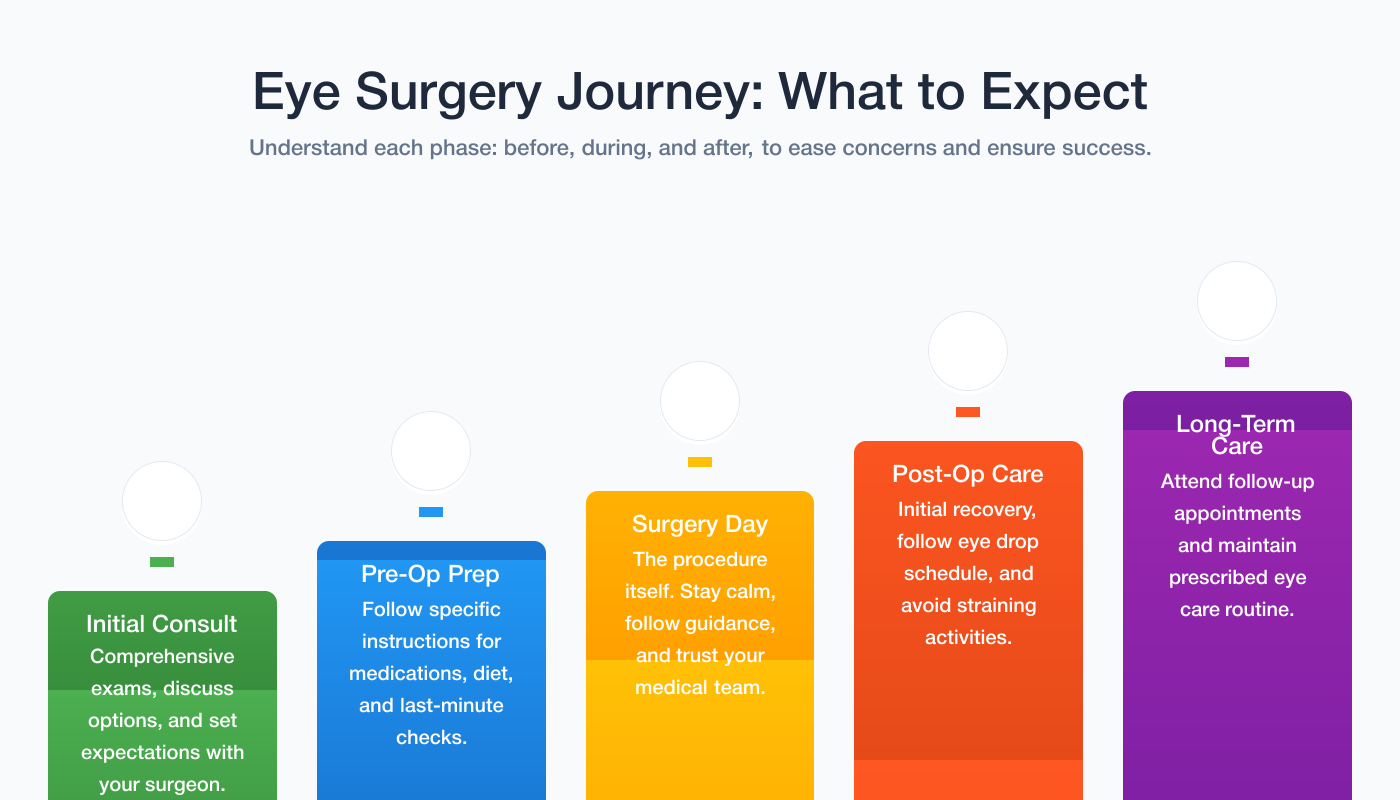
Before Surgery: Comprehensive Preparation
Your journey begins with thorough preparation, ensuring you are fully ready for the procedure. This phase is crucial for optimizing your surgical outcome.
- Comprehensive Eye Scans and Assessments: Expect a series of detailed eye examinations. For instance, an ICL (Implantable Collamer Lens) journey often involves multiple pre-operative scans to precisely measure eye dimensions and retinal integrity (Reddit User, 2023). These measurements guide your surgeon in planning your personalized procedure.
- Pre-operative Instructions: You'll receive clear guidelines on how to prepare. This often includes:
- Stopping certain medications, especially blood thinners, a week or two before surgery.
- Avoiding contact lenses for a specified period to allow your cornea to return to its natural shape.
- Fasting for several hours before your procedure.
- Logistical Arrangements: It's essential to arrange for someone to drive you home after surgery, as your vision will be blurry, and you won't be able to drive. Planning for post-operative care, especially for the first 24-48 hours, is also a good idea. Many specialized eye care centers offer detailed guides to help you prepare.
During Surgery: Calm and Comfort
Most eye surgeries are outpatient procedures, meaning you go home the same day. While the idea of being awake during surgery might seem daunting, rest assured that patient comfort is a top priority.
- Anesthesia: You'll typically receive local anesthesia, often in the form of eye drops or an injection around the eye, to numb the area. You may also be given a mild sedative to help you relax.
- Sensory Experience: You will remain awake but relaxed. It's normal to see lights, colors, or feel some pressure around your eye, but you should not experience pain.
- Communicating Anxiety: If you have a history of anxiety, it is incredibly important to communicate this to your surgical team beforehand. As one Reddit user with diagnosed anxiety shared, their ICL surgery felt 'terrifying' and caused body shaking, even with sedation (Reddit User, 2023). Being open allows your team to provide additional support, extra sedation, or reassurance, making your experience as comfortable as possible.
Note: Your surgical team is there to support you. Don't hesitate to voice any concerns or discomfort you may feel at any point during the procedure.
After Surgery: Embracing Recovery
Recovery timelines vary significantly depending on the type of eye surgery you undergo, but certain post-operative experiences are common across many procedures.
- Initial Symptoms: Expect initial blurry vision, which can be due to air bubbles in the eye, swelling, or pupil dilation. Light sensitivity and dry eyes are also very common. Many patients report seeing halos or ring lights around light sources for a period.
- Medication Regimen: A strict regimen of prescribed eye drops is crucial to prevent infection, reduce inflammation, and aid healing. Adhering to this schedule is vital for a smooth recovery.
- Recovery Timelines (Approximate):
- LASIK: Up to 4 weeks for full stabilization (Specialty Eye Institute, 2024).
- Cataract Surgery: 4-8 weeks (The Cleveland Clinic, 2024).
- Glaucoma Surgery: 2-6 weeks, with specific activity restrictions.
- Activity Restrictions: You'll receive specific instructions on avoiding strenuous activities, lifting heavy objects, swimming, and wearing eye protection, especially during sleep, to safeguard your healing eye.
Diligent preparation and strict adherence to post-operative instructions are not just recommendations; they are crucial components of achieving the best possible outcome for your eye surgery.
Navigating the landscape of eye surgery can feel complex, but as this guide has shown, understanding the diverse procedures available is the first step towards clarity. From routine vision correction to critical sight-saving interventions, each type of surgery plays a vital role in ophthalmic care.
Here are the key takeaways from our exploration of eye surgery options:
- Eye surgery encompasses a wide spectrum of procedures, ranging from elective vision correction to essential treatments for serious conditions like glaucoma and retinal detachment.
- Each surgical intervention, whether for cataracts, refractive errors, or retinal issues, is specifically designed to address distinct ocular health challenges and restore or preserve vital vision.
- Understanding the purpose, process, and potential outcomes of these surgeries empowers you to engage in more informed and confident discussions with your eye care professional.
The advancements in ophthalmology offer incredible opportunities to improve and protect your vision. While the prospect of eye surgery may initially seem daunting, these procedures are often life-changing, significantly enhancing your quality of life.
This guide aims to provide a foundational understanding, but it cannot replace professional medical advice. If you are experiencing vision issues or considering eye surgery, the most crucial next step is to schedule a comprehensive evaluation with a qualified ophthalmologist. They can accurately diagnose your condition, discuss all suitable options, and help you develop a personalized care plan tailored specifically to your needs and health. For those seeking advanced ophthalmic solutions, consulting with specialists is the key.
Tags
Related Articles

How to Choose the Right Plastic Surgeon in Korea: A Guide for International Patients

How to Choose the Right Plastic Surgeon in Korea: An International Patient’s Guide